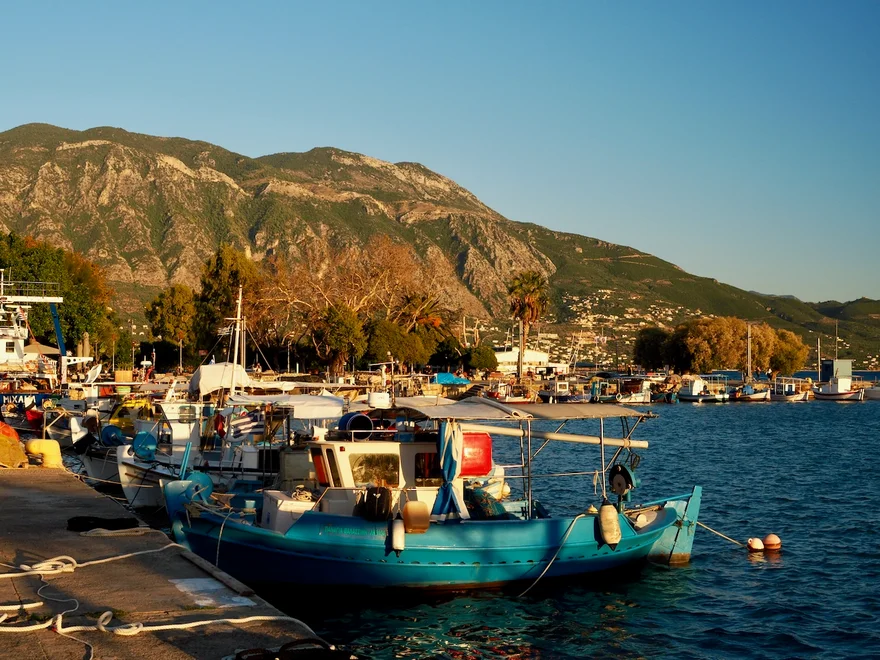
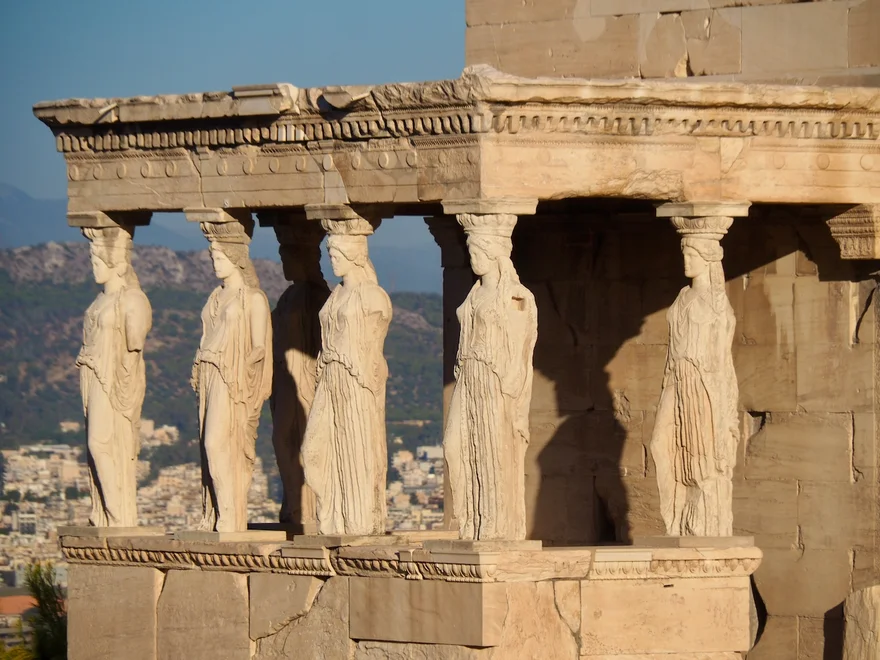
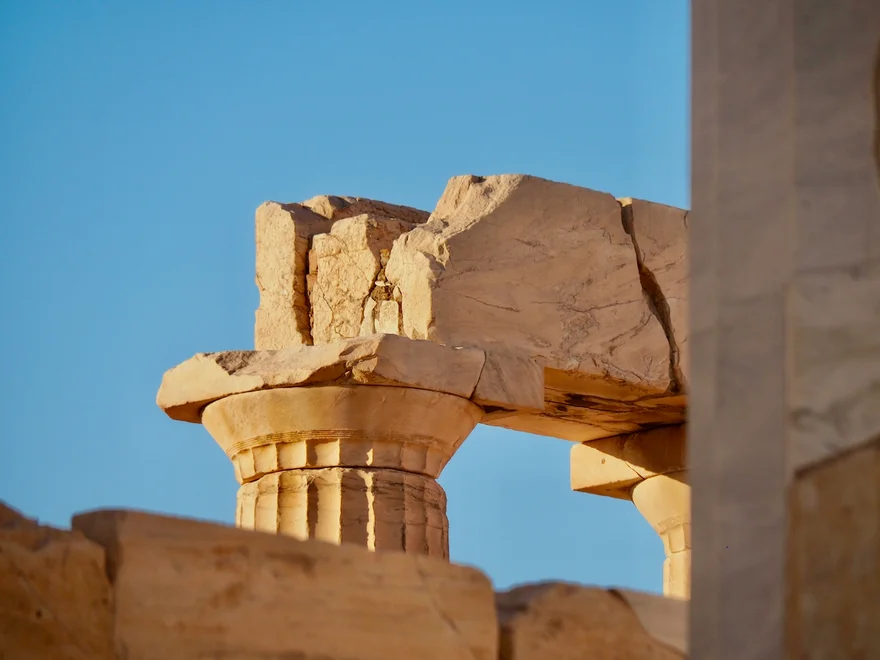
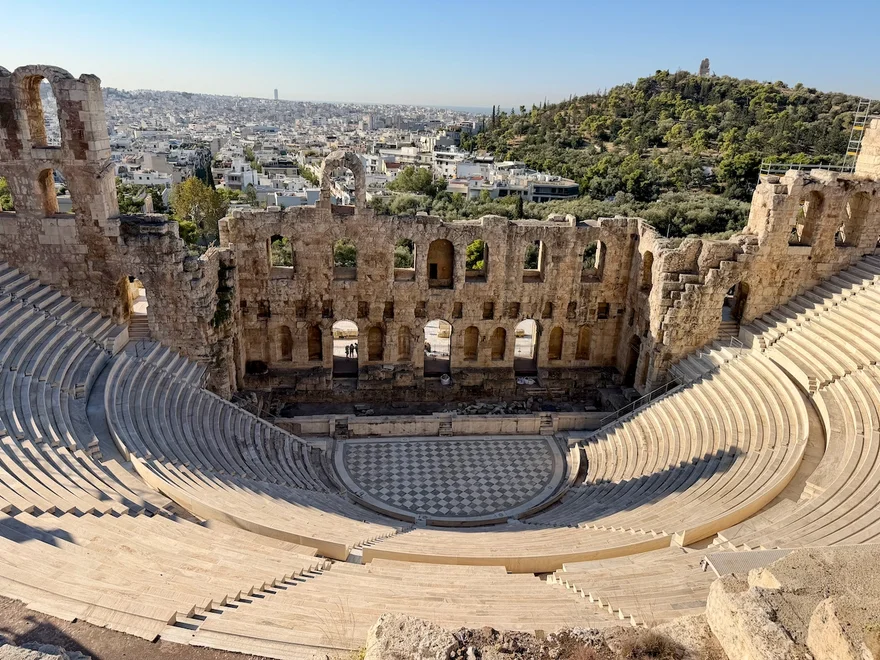
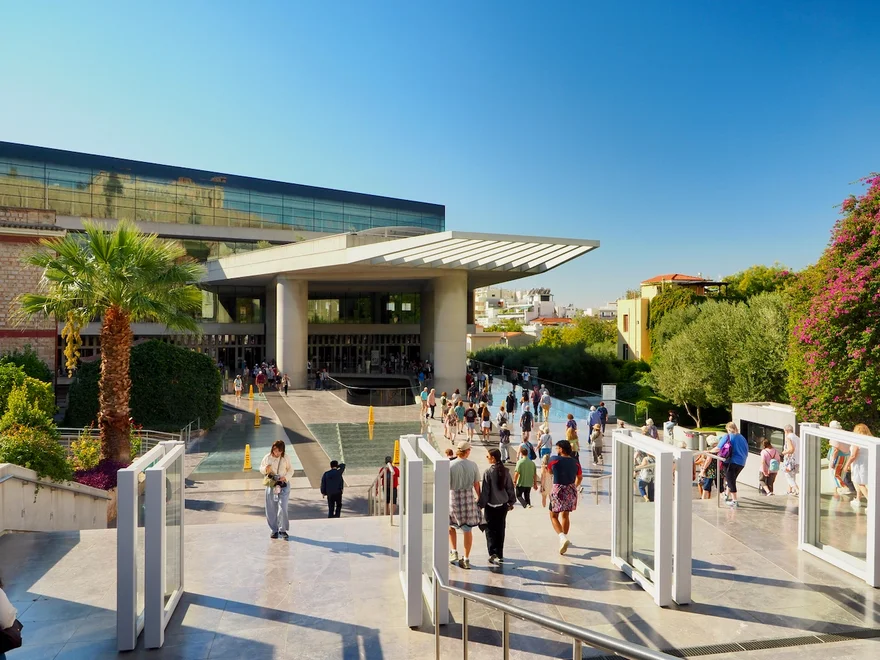
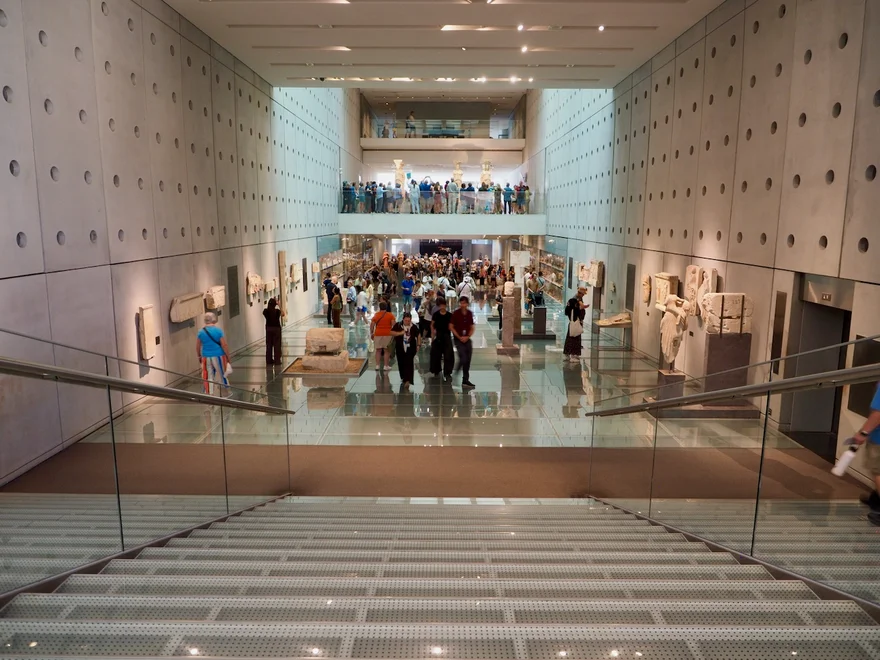
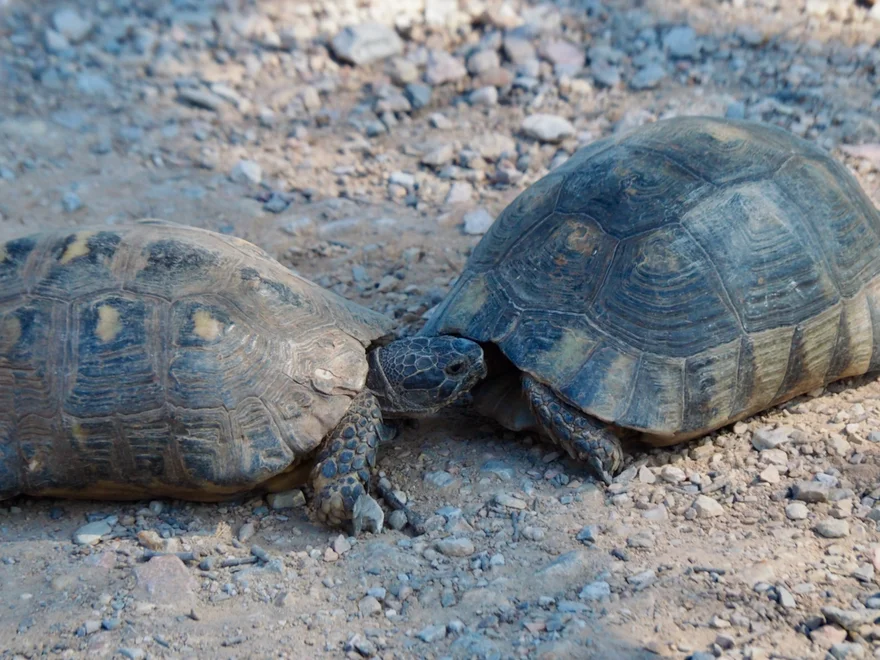
From the rim of Santorini’s caldera to the sailing boats off Artemida, our photographs show the islands, Meteora’s rocks and our travels across the Peloponnese and through the streets of Athens. Between temples and monasteries, cats, coffee, shop windows and curious vehicles catch our eye too. A journey in broad views and small discoveries.
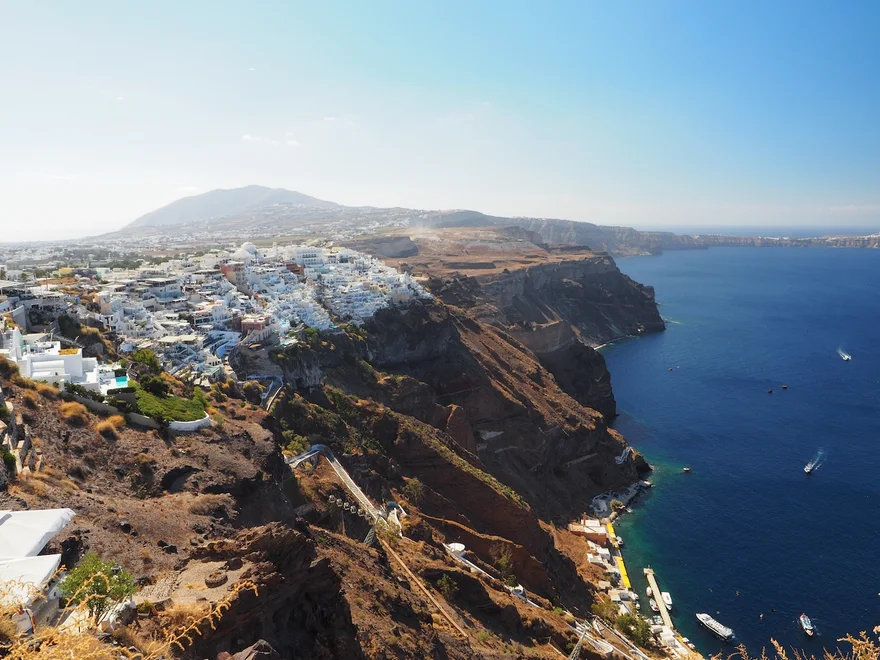
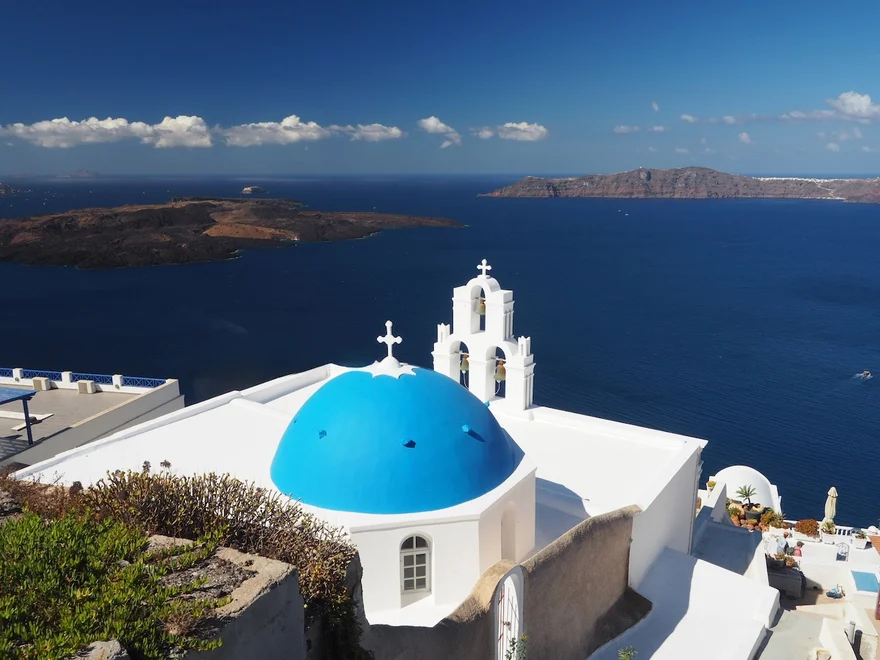
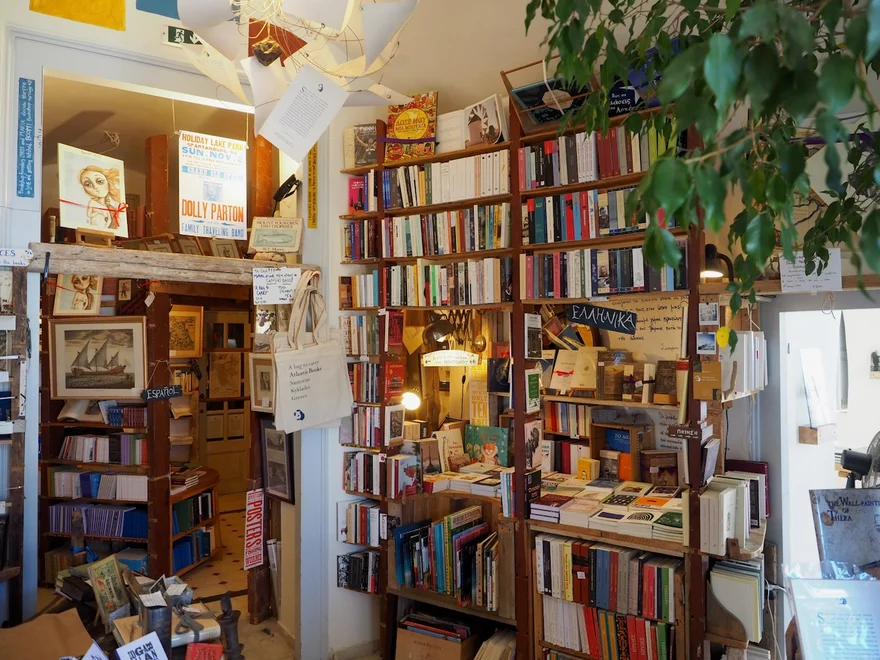
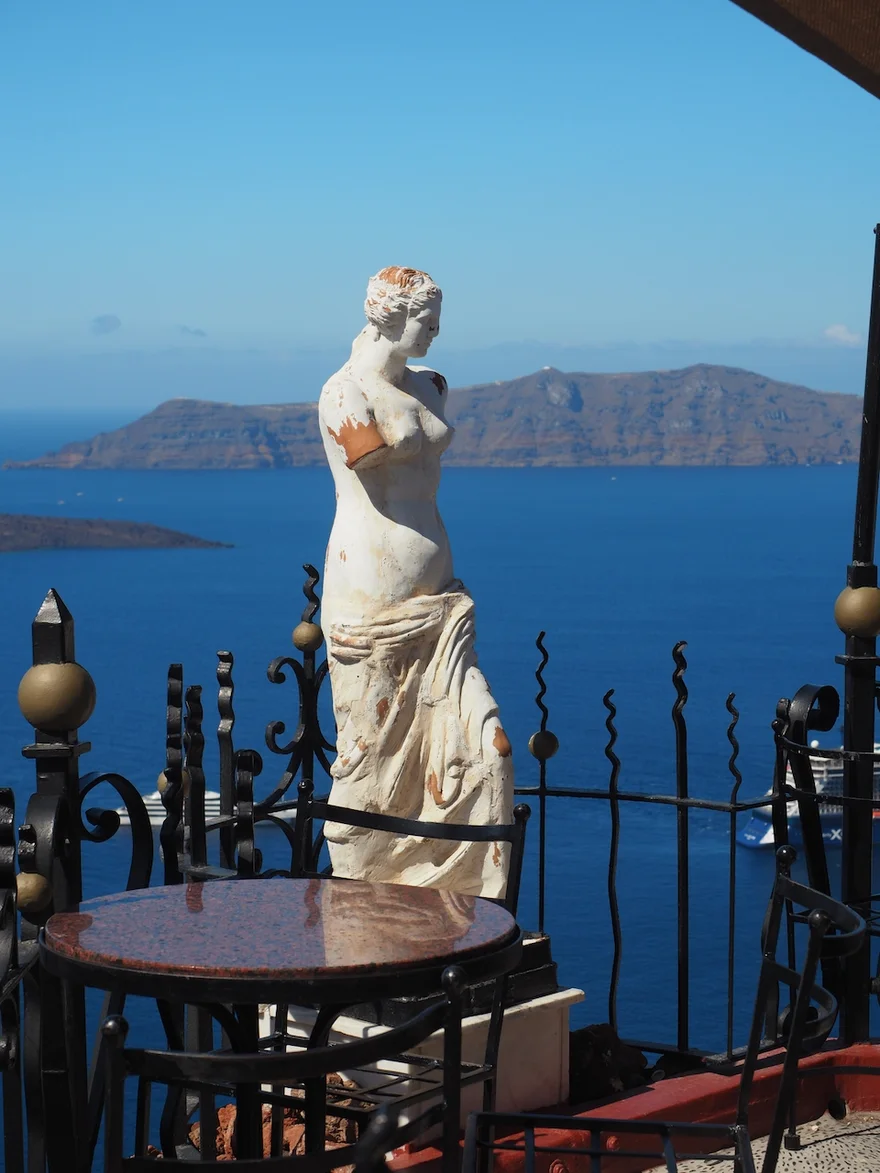
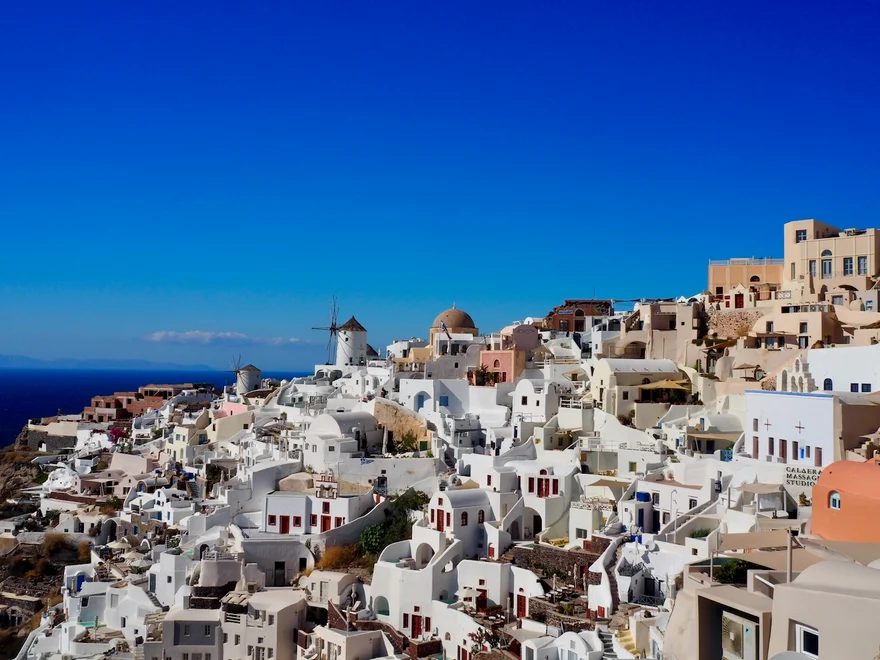
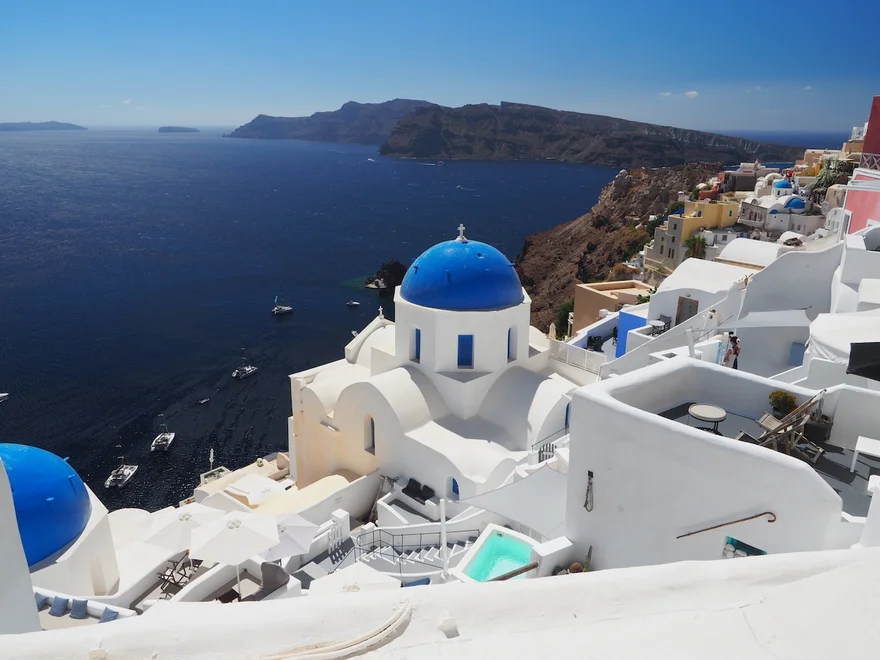
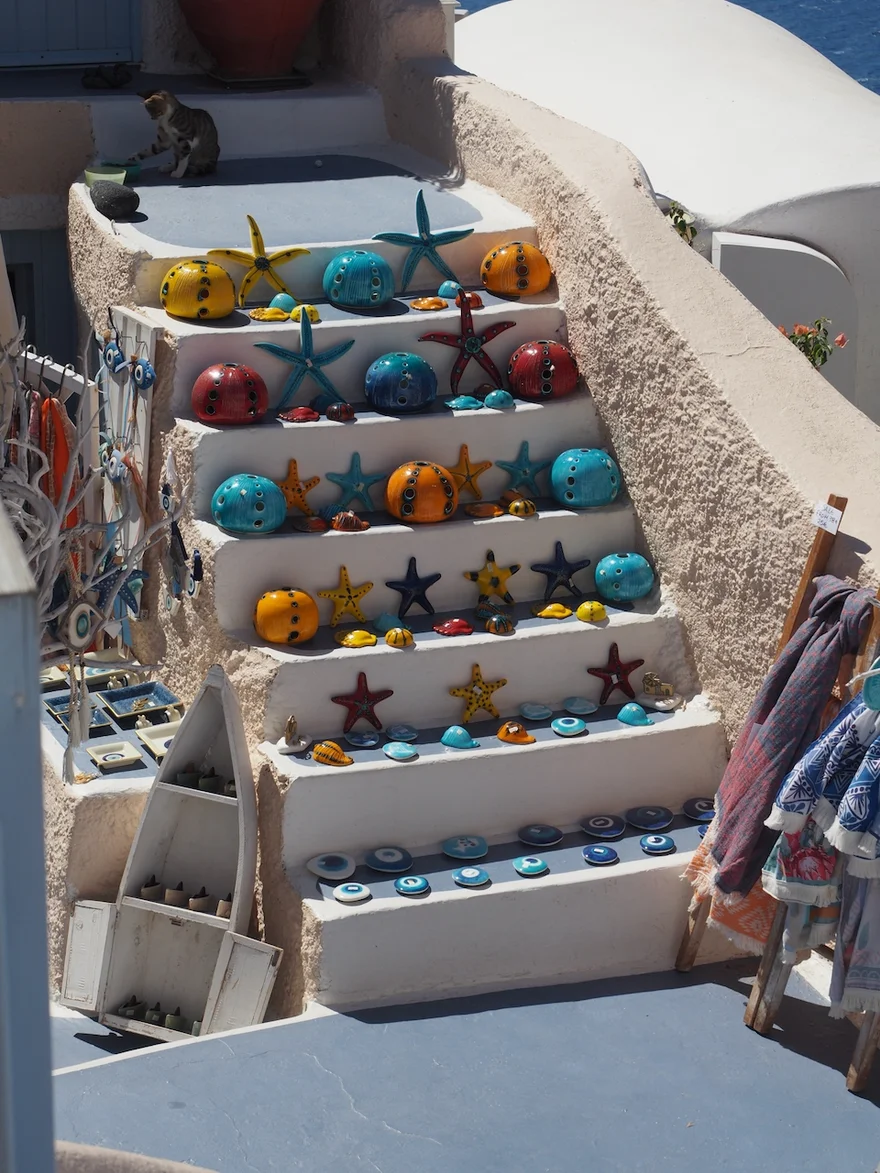
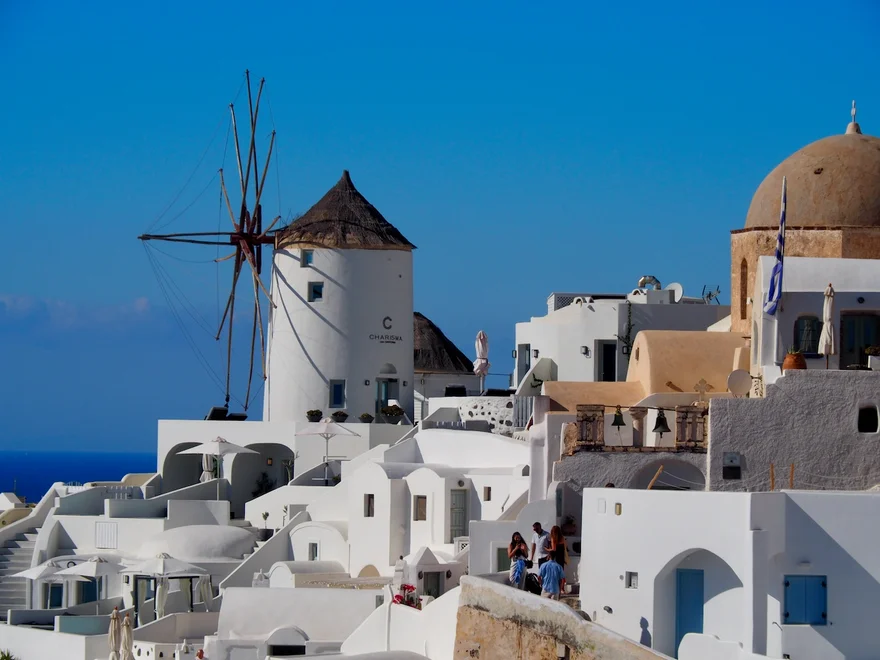
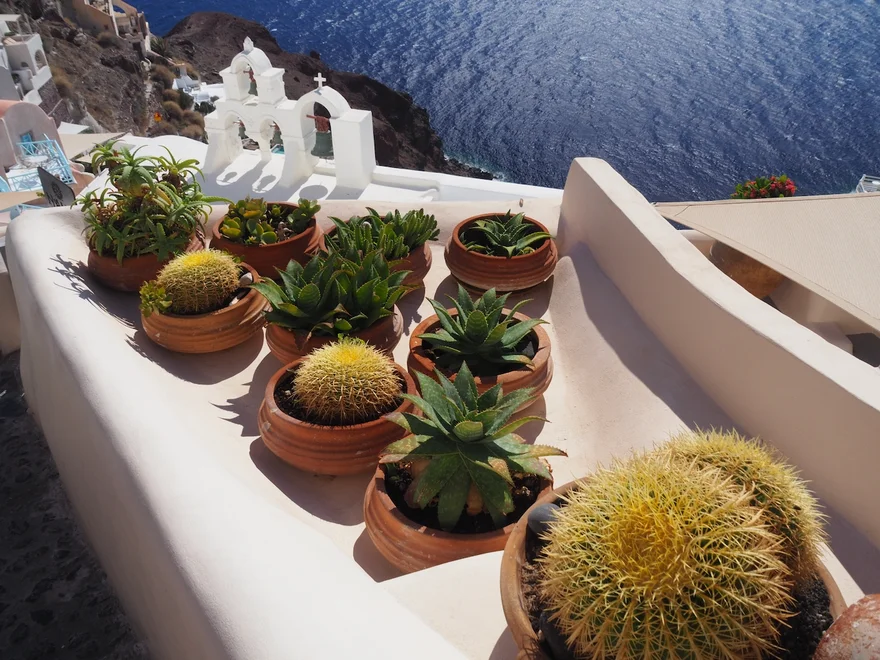
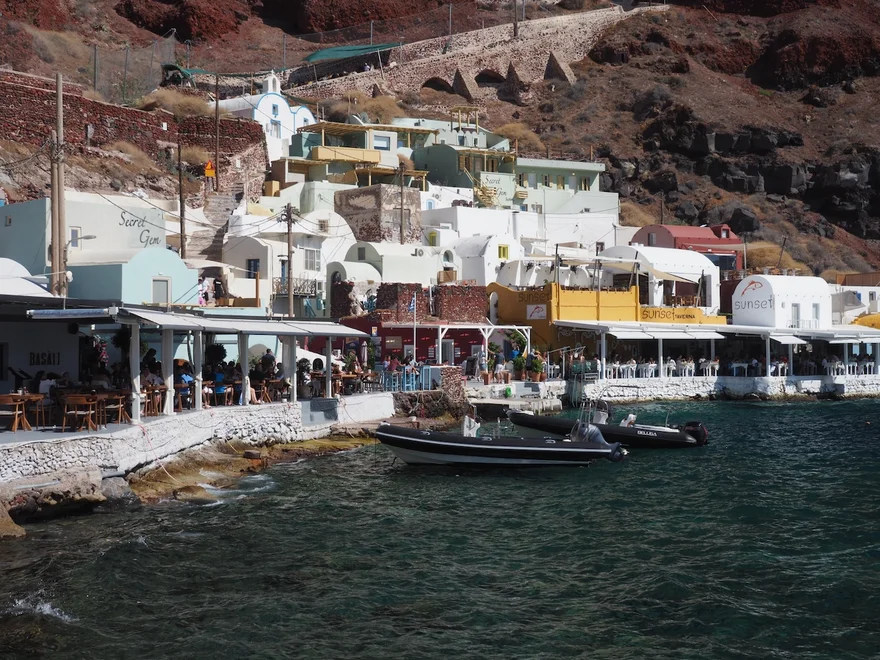
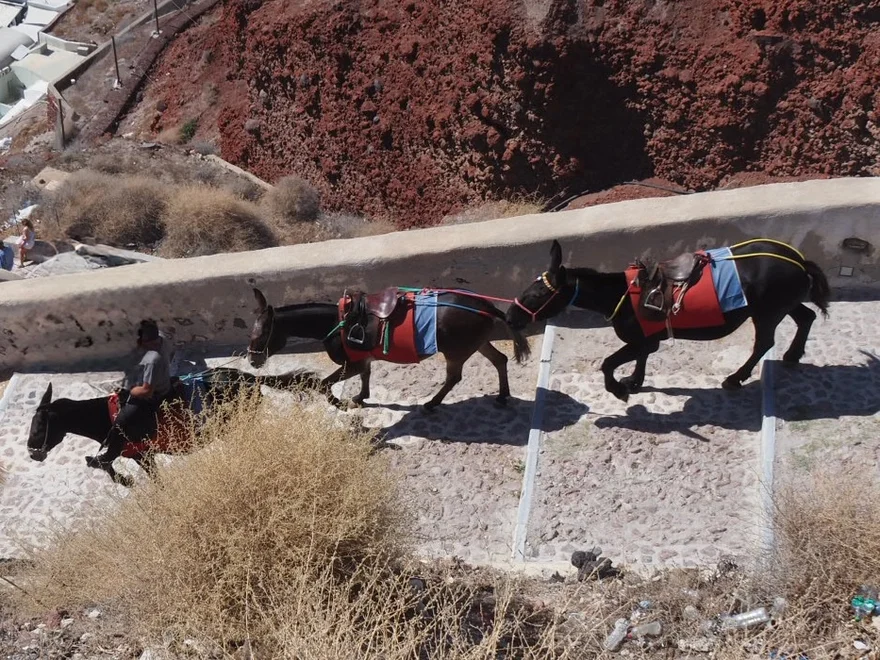
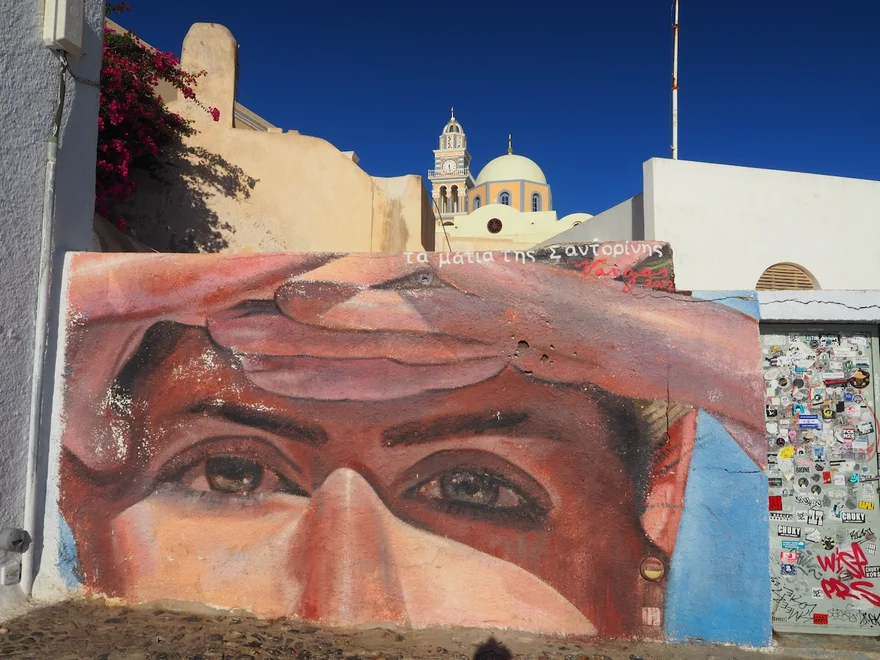
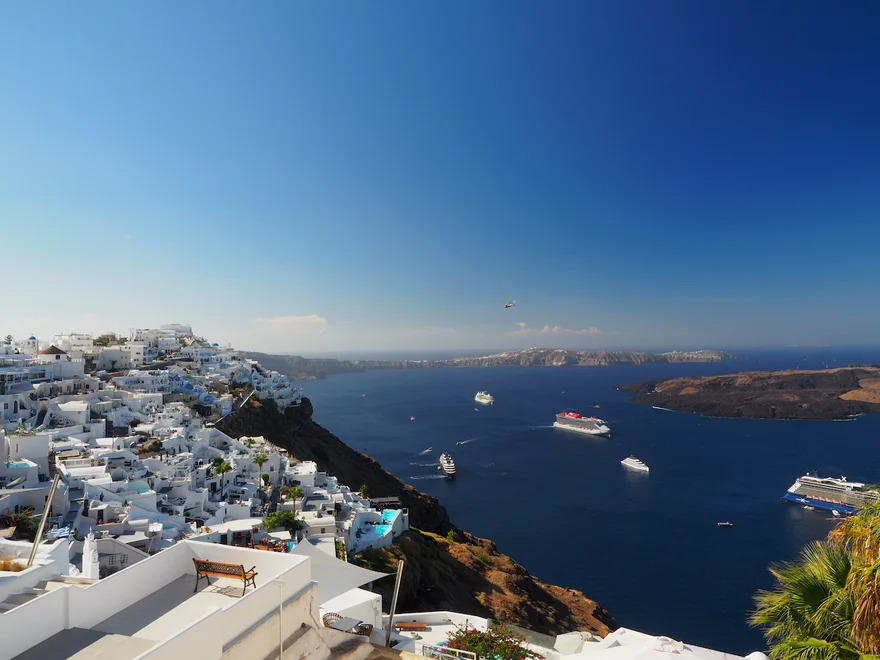
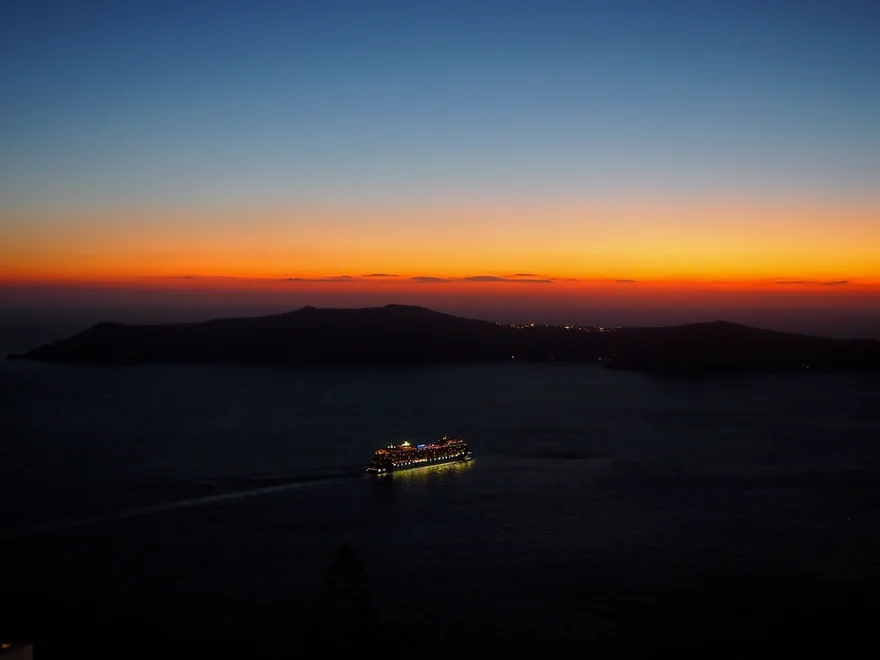
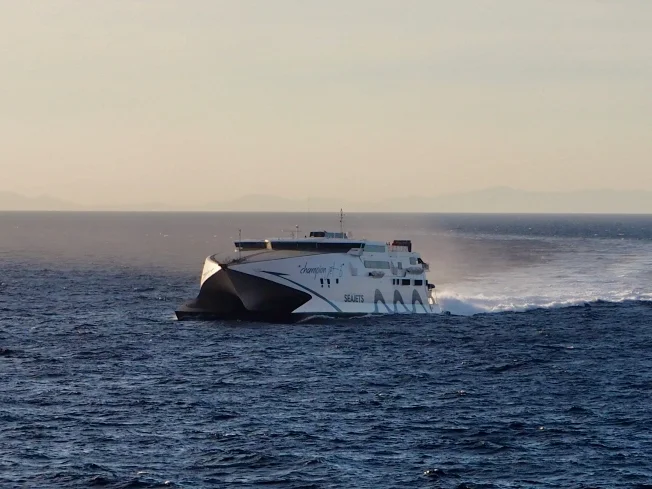
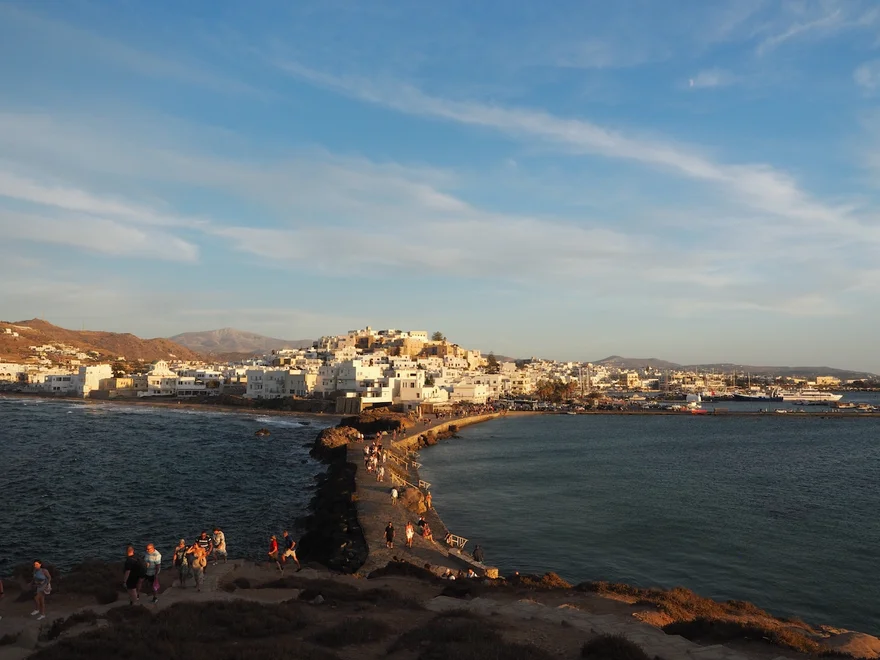
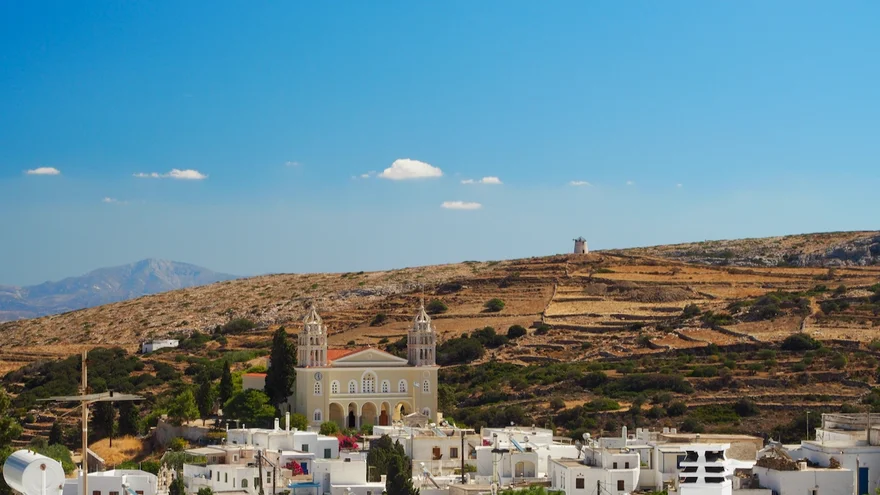
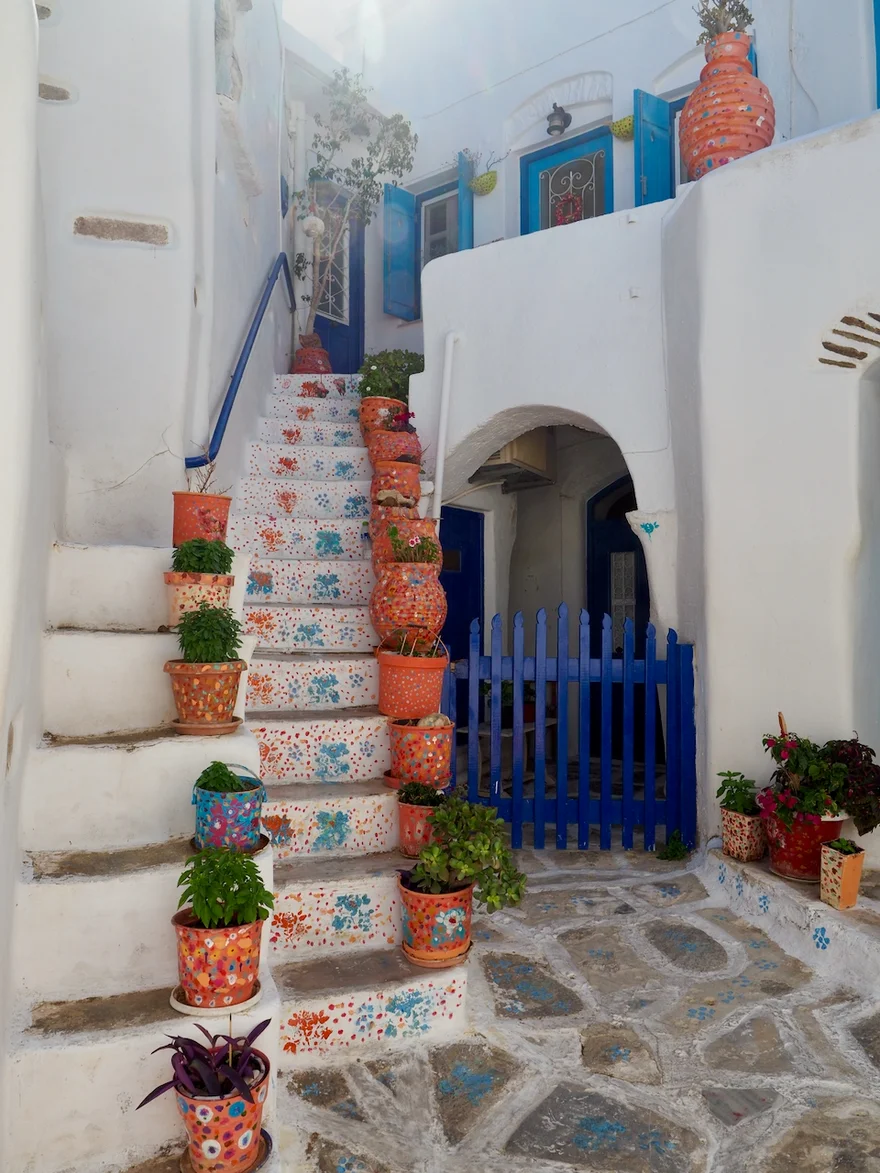
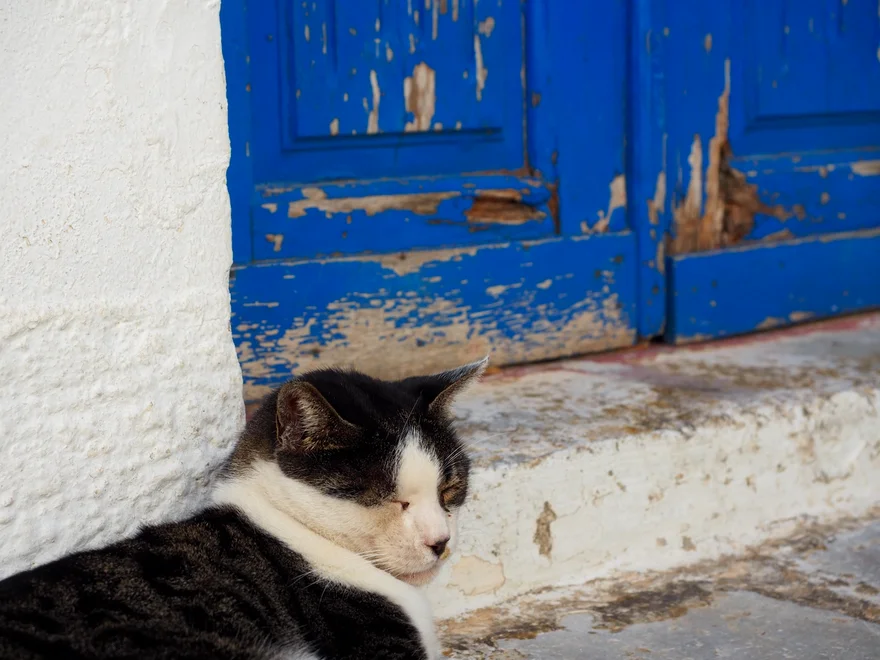
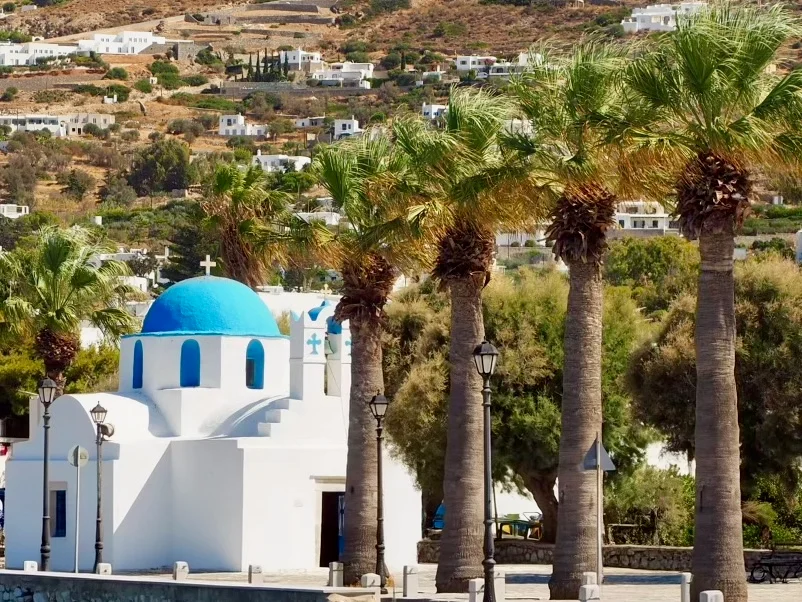
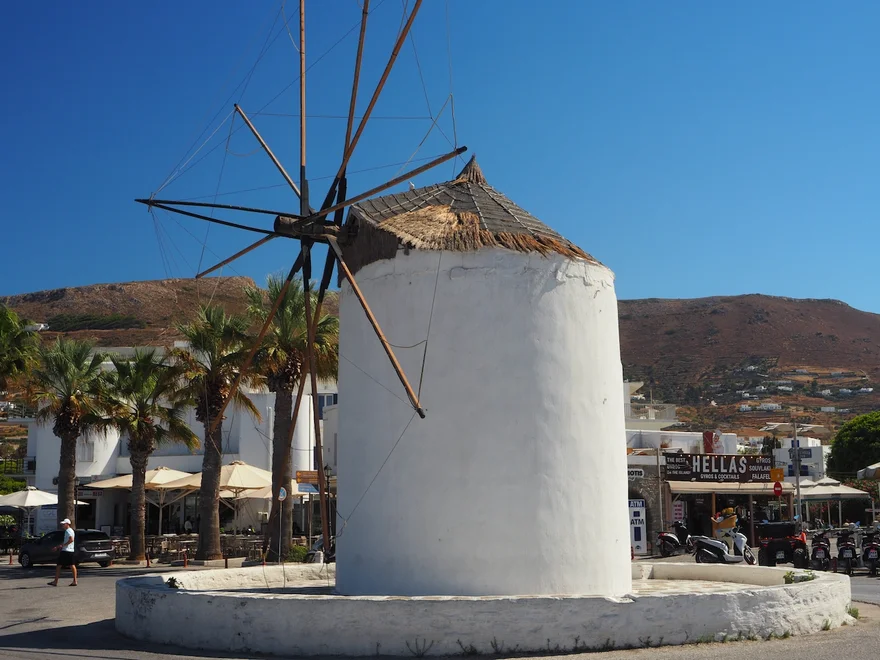
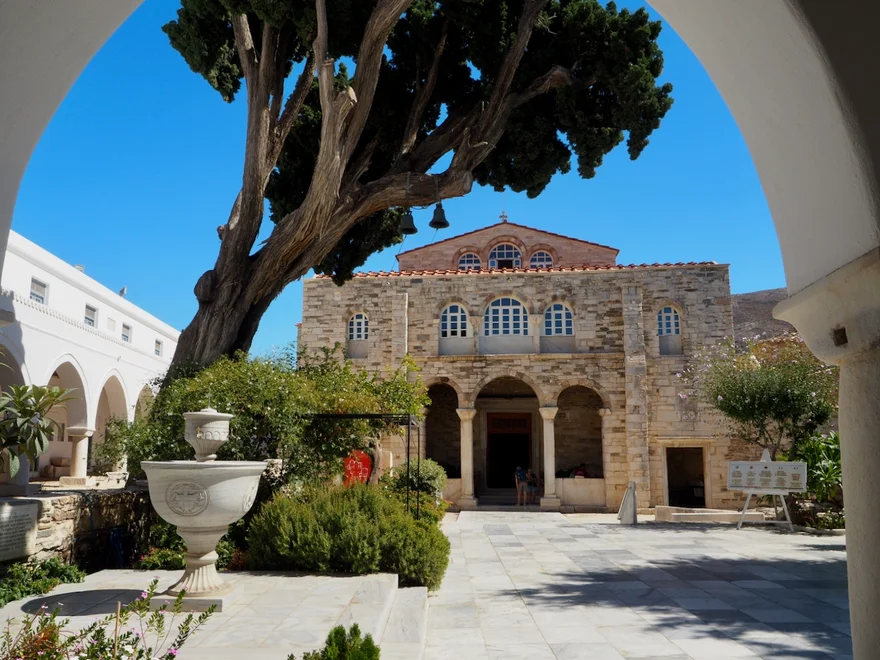
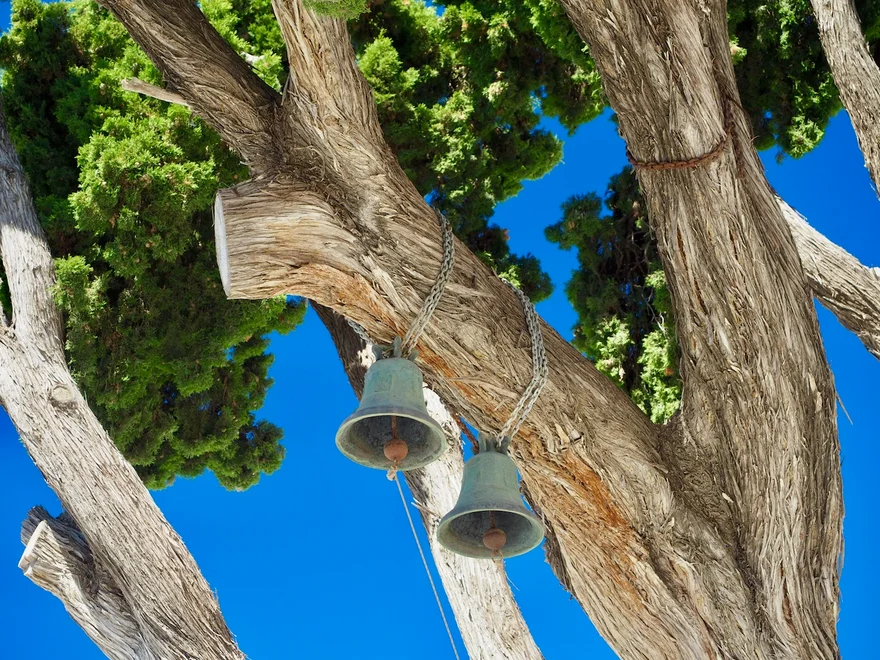
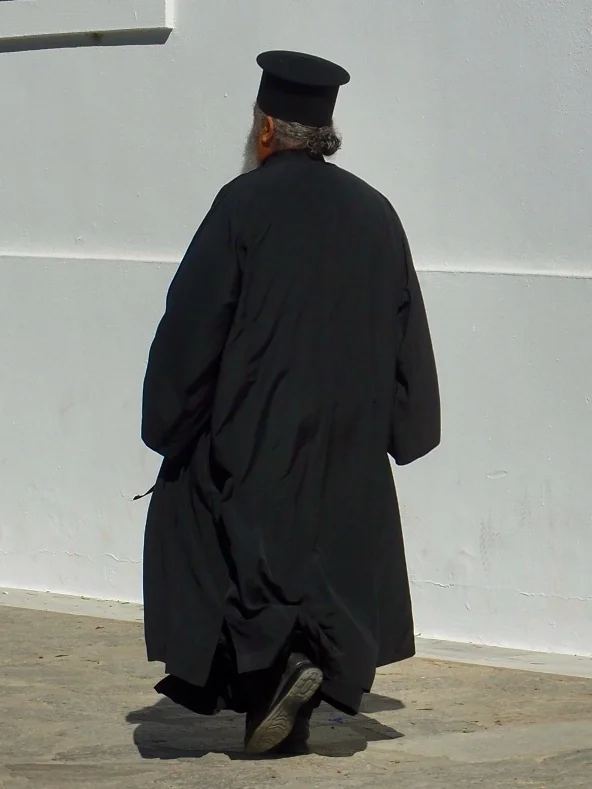
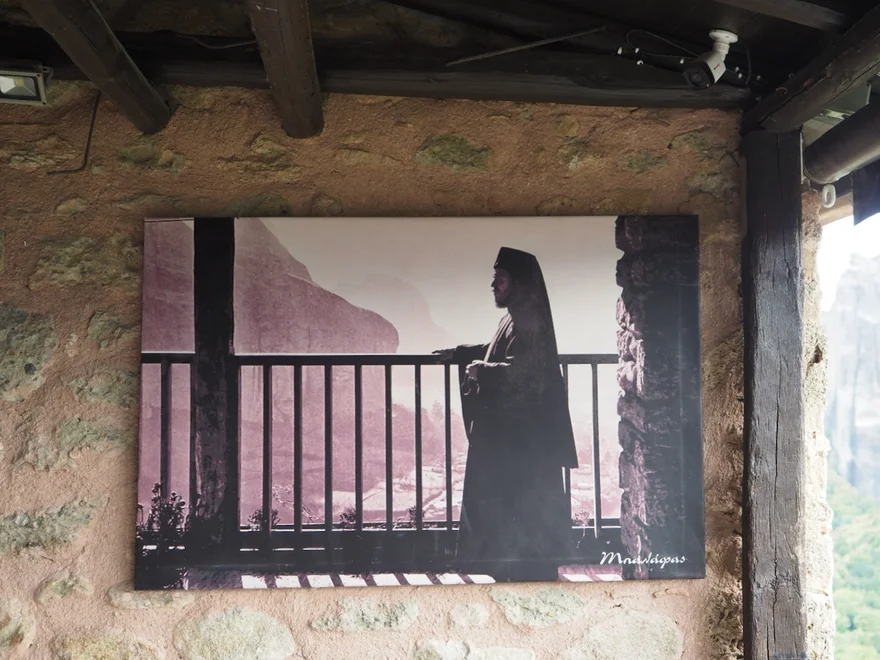
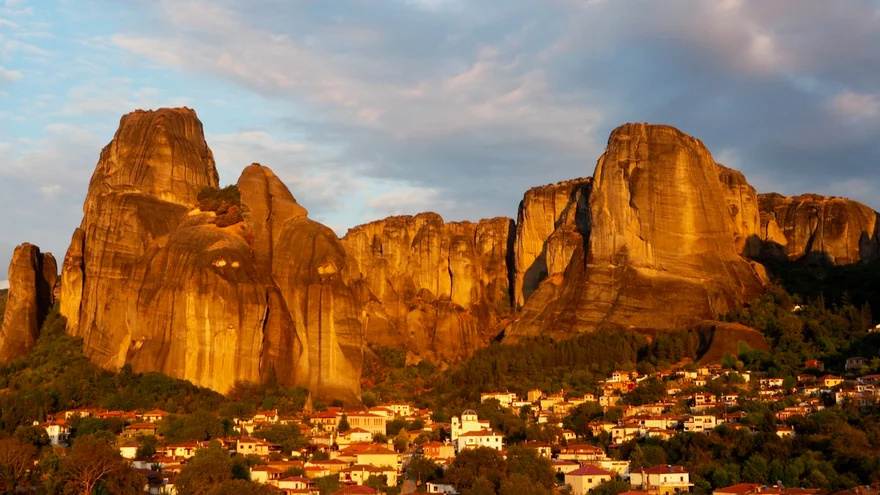
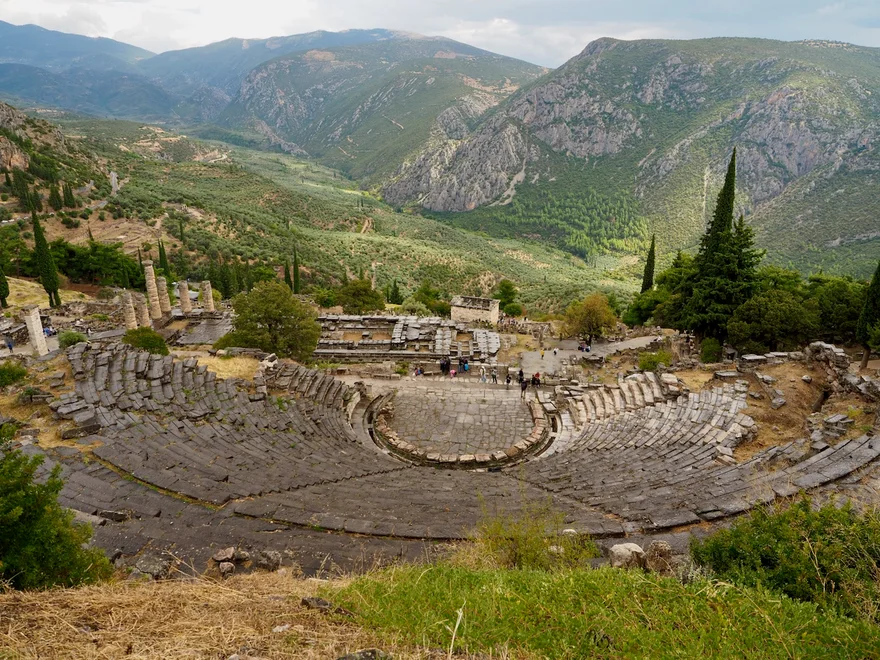
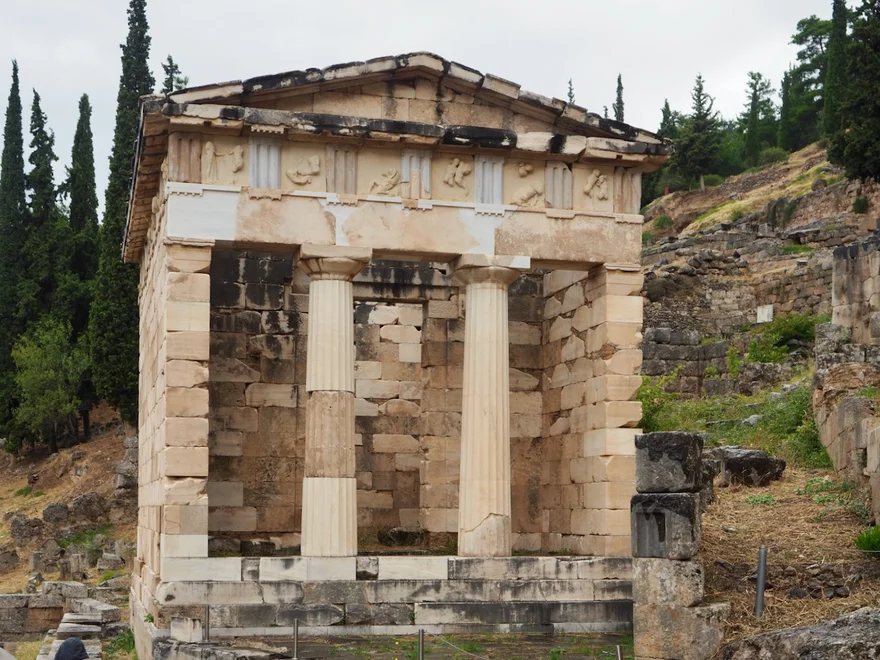
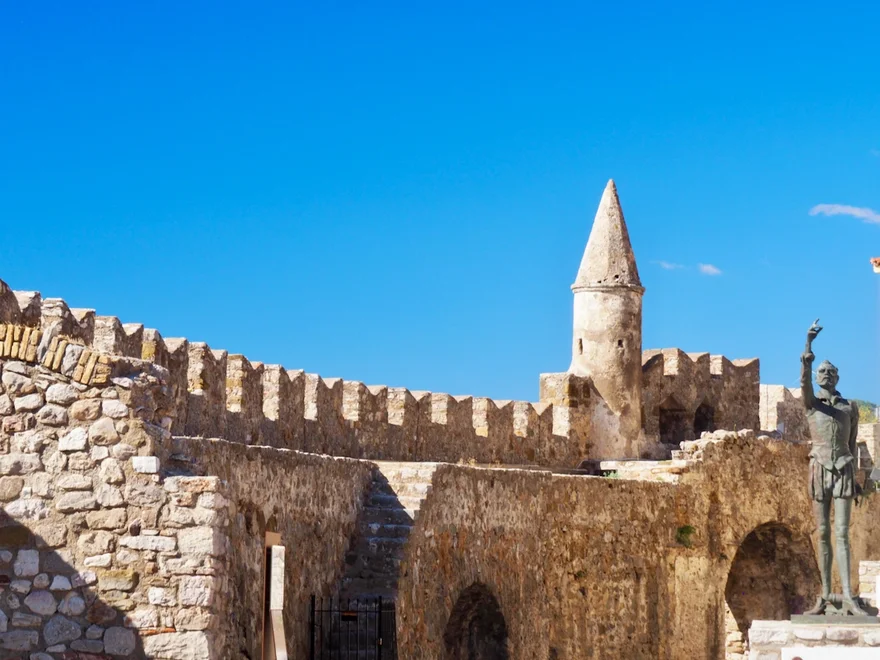
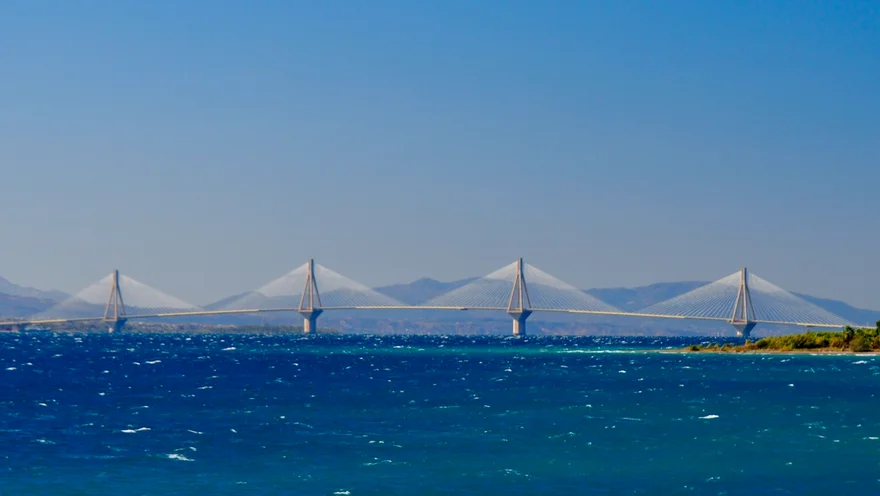
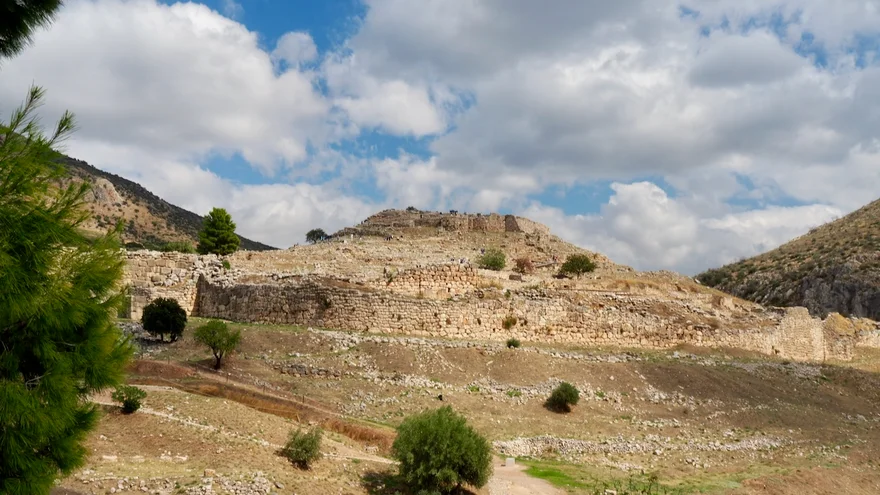
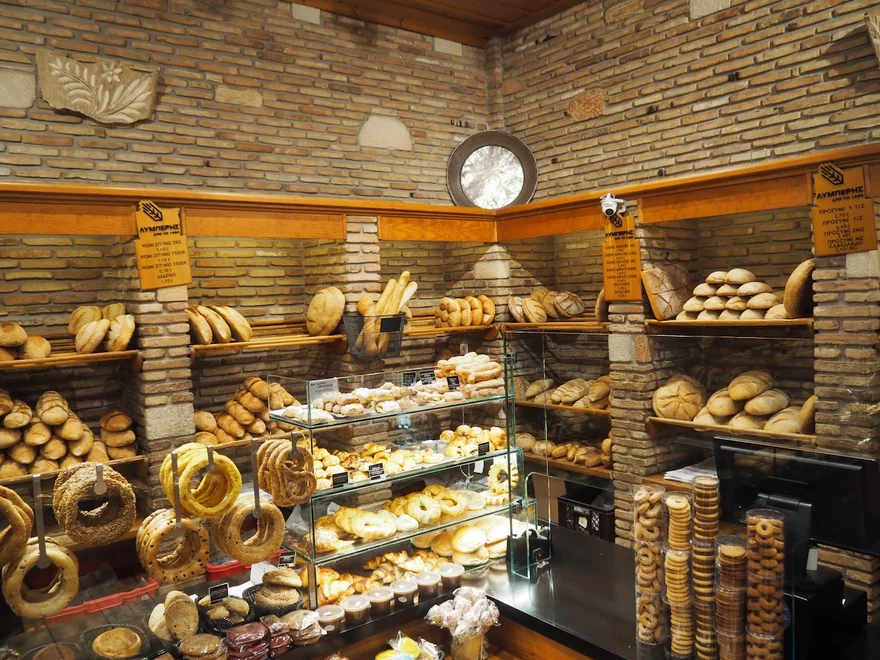
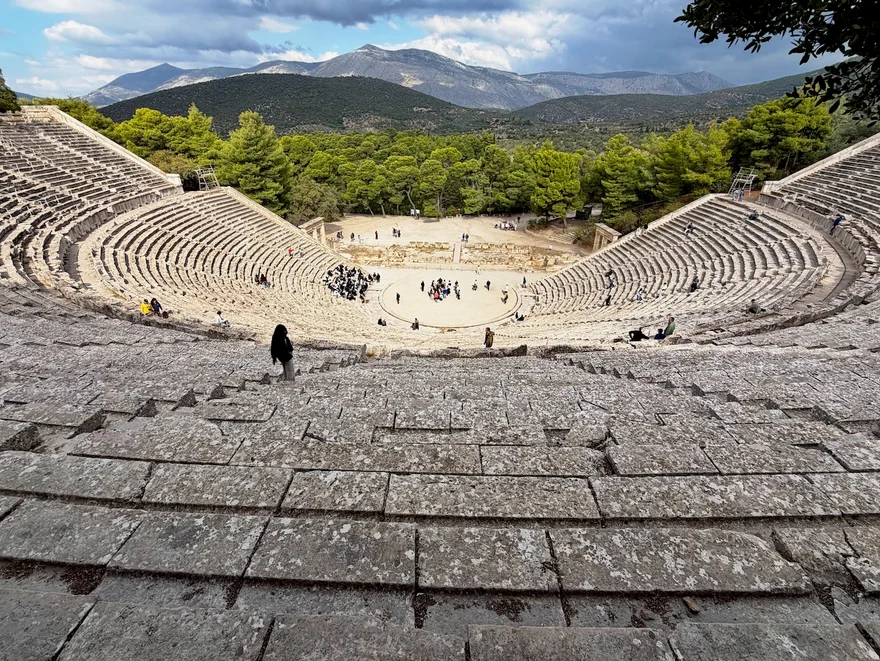
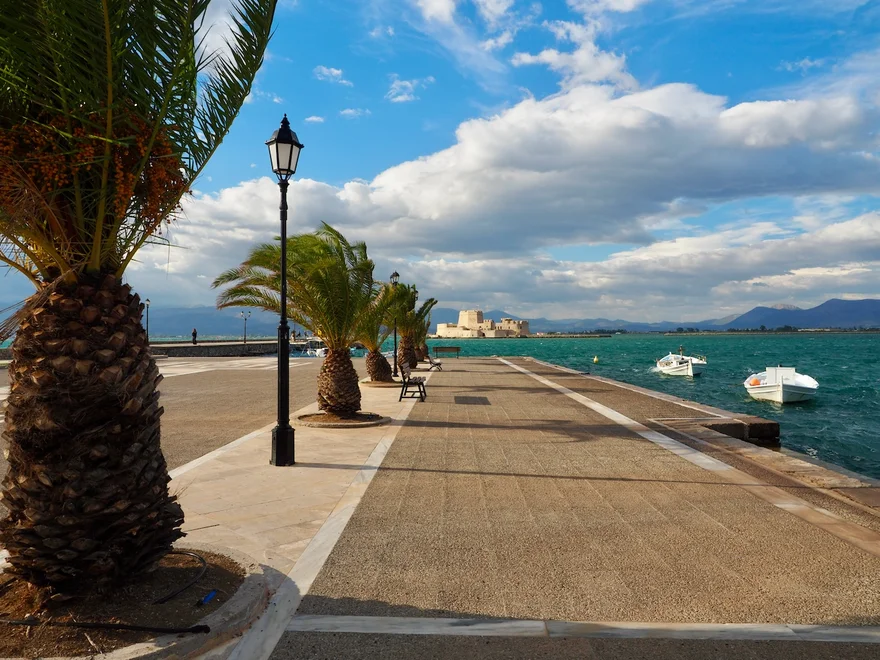
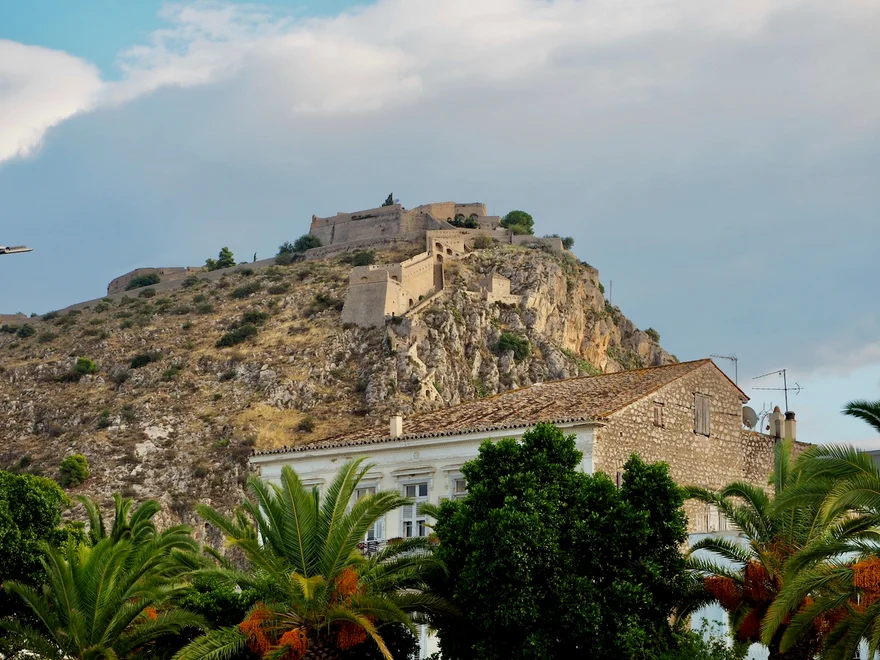
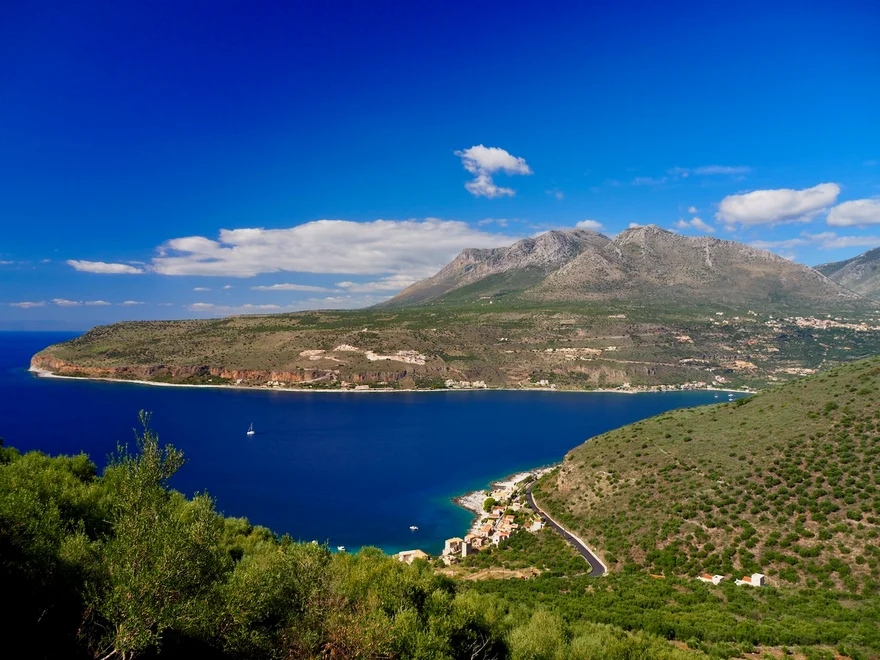
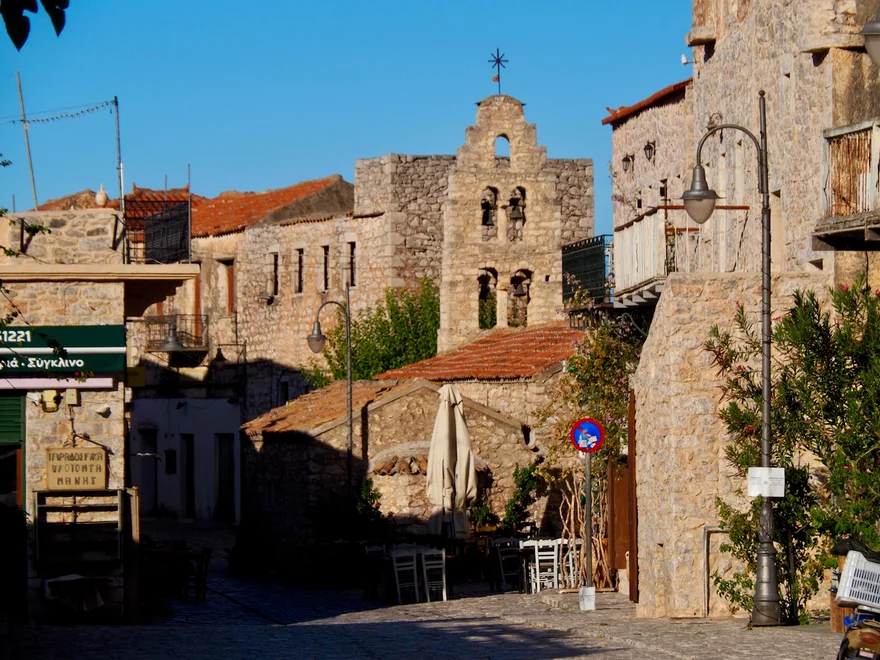
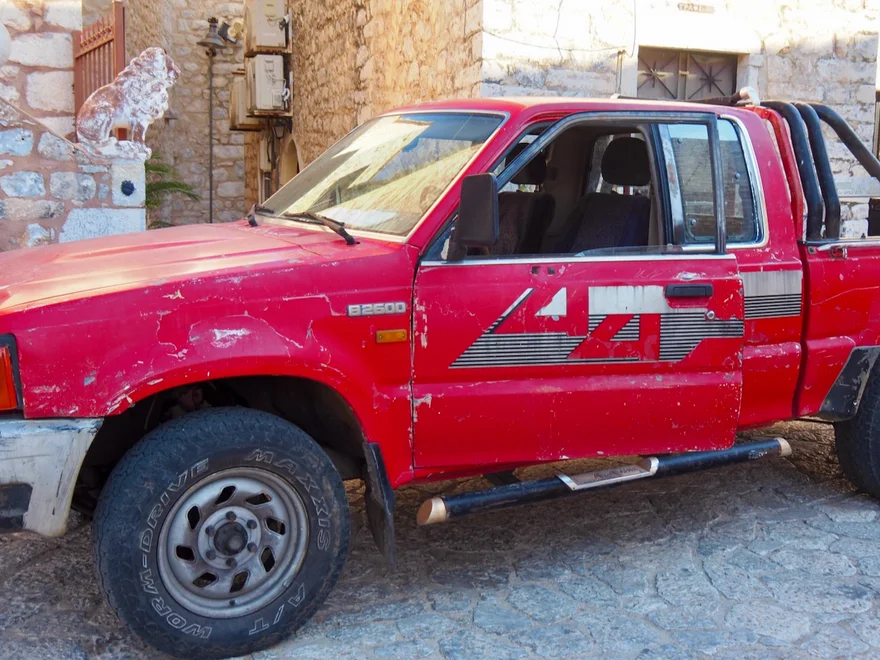
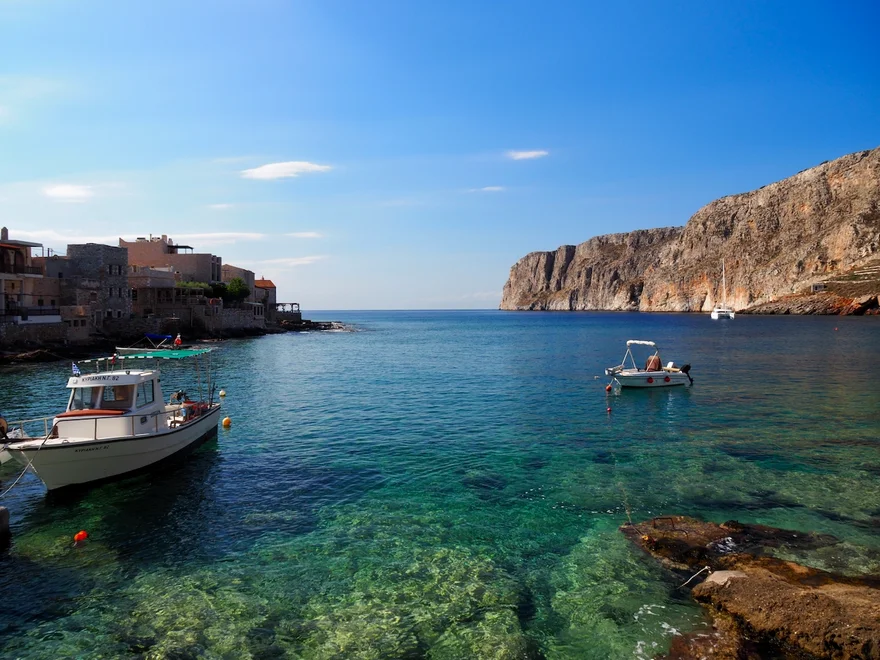
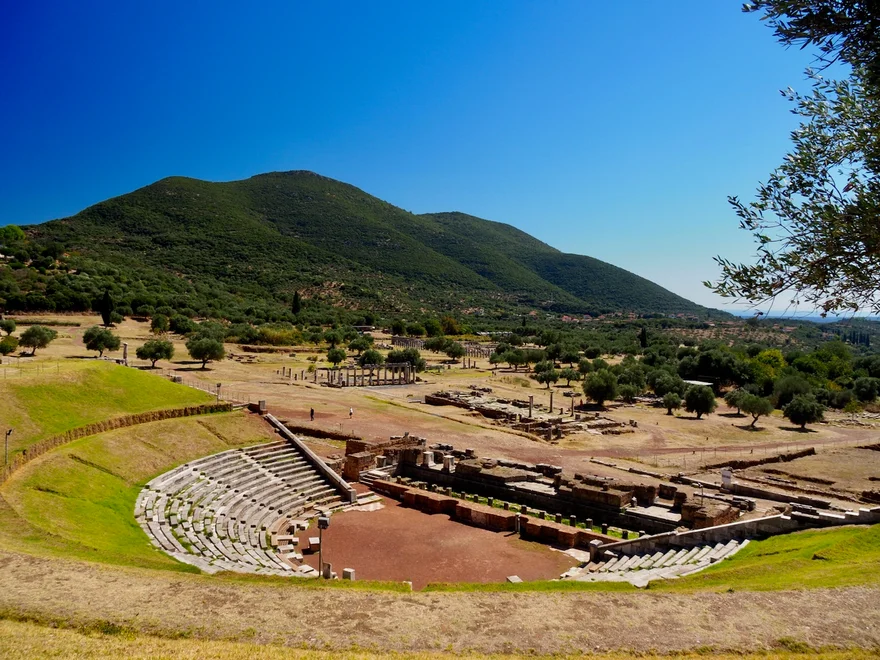
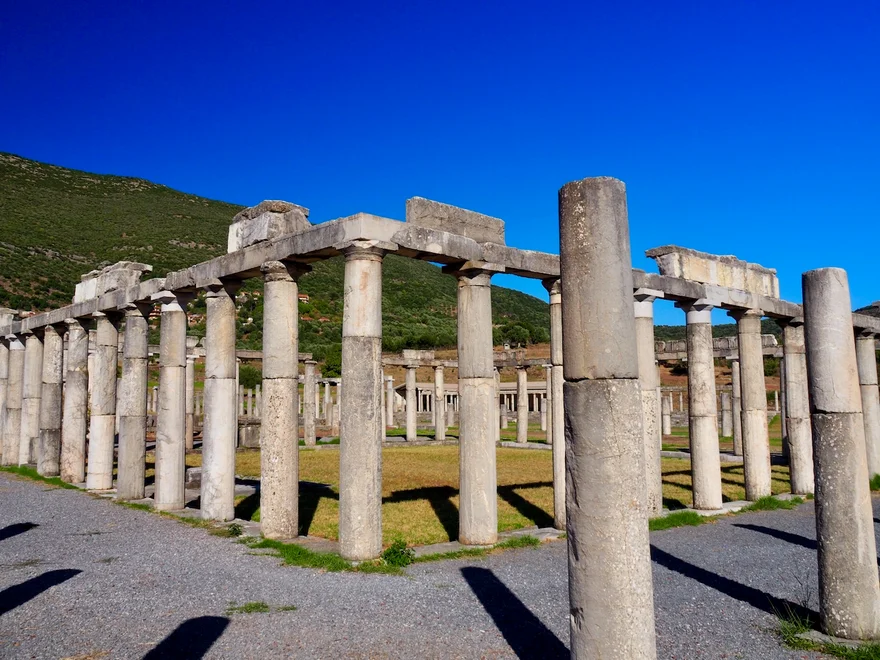
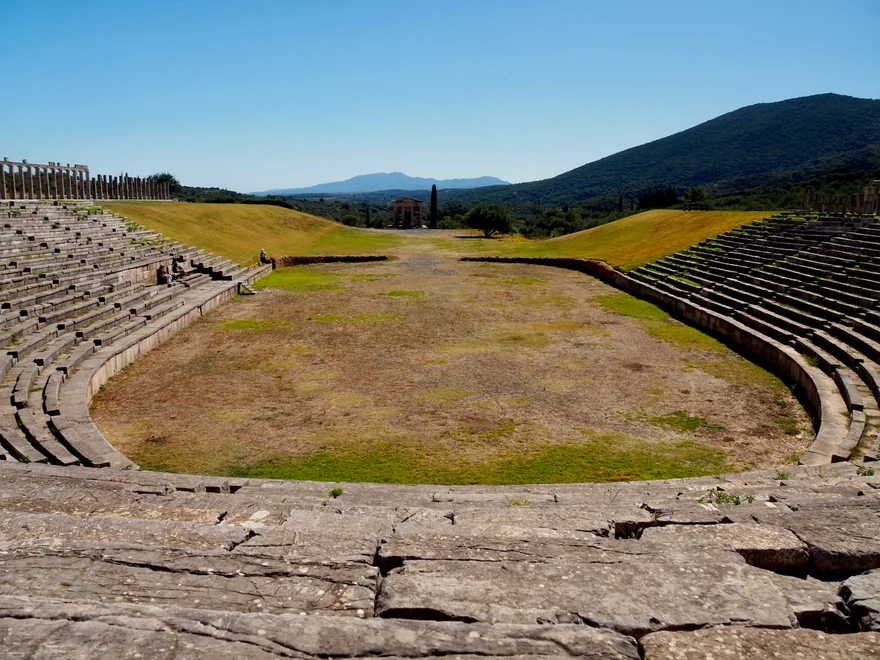
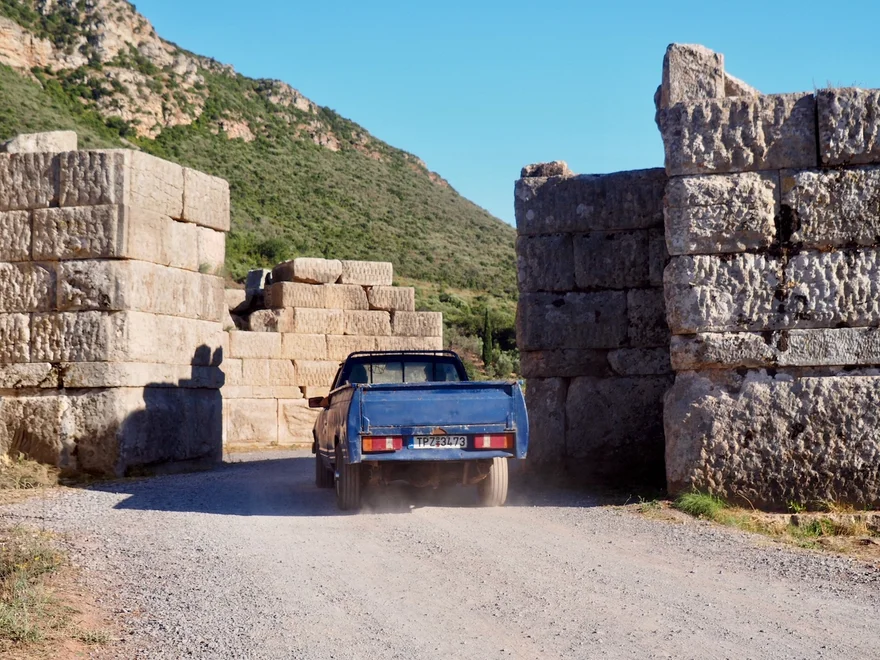
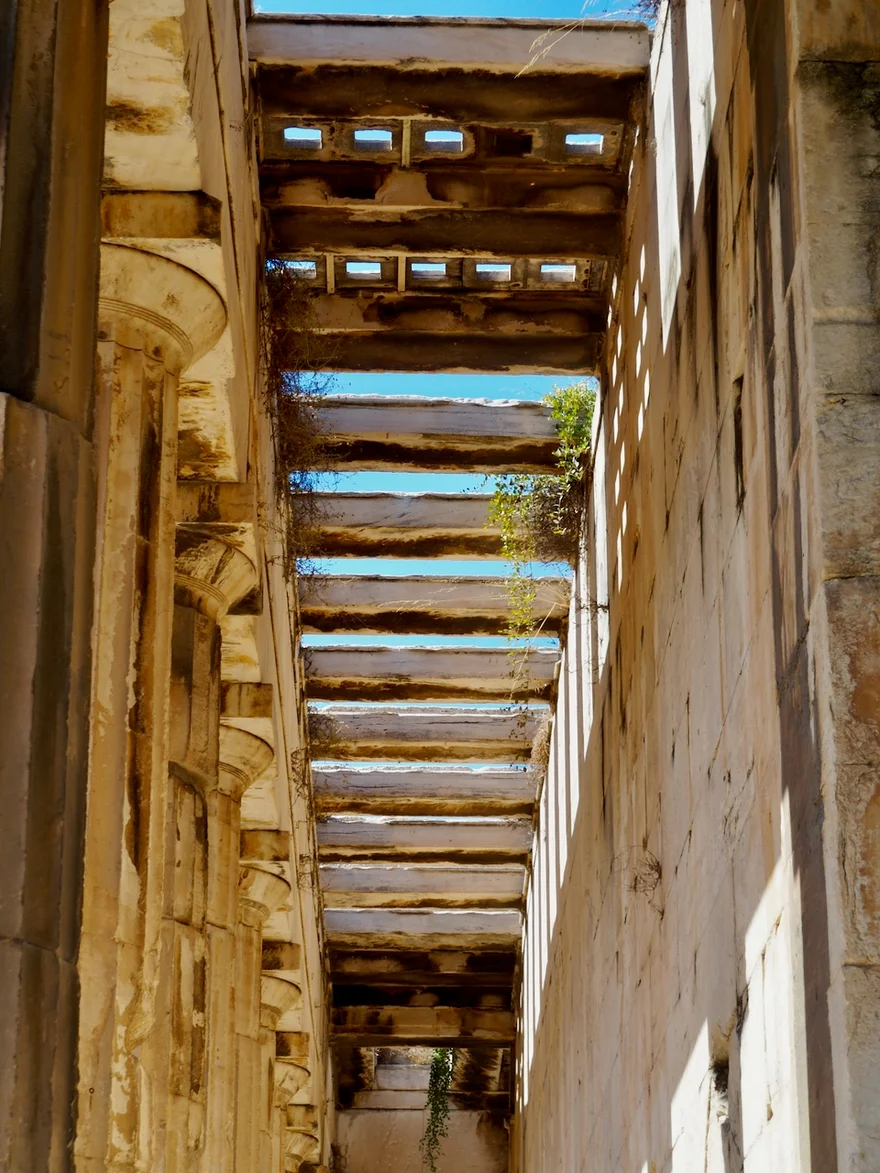
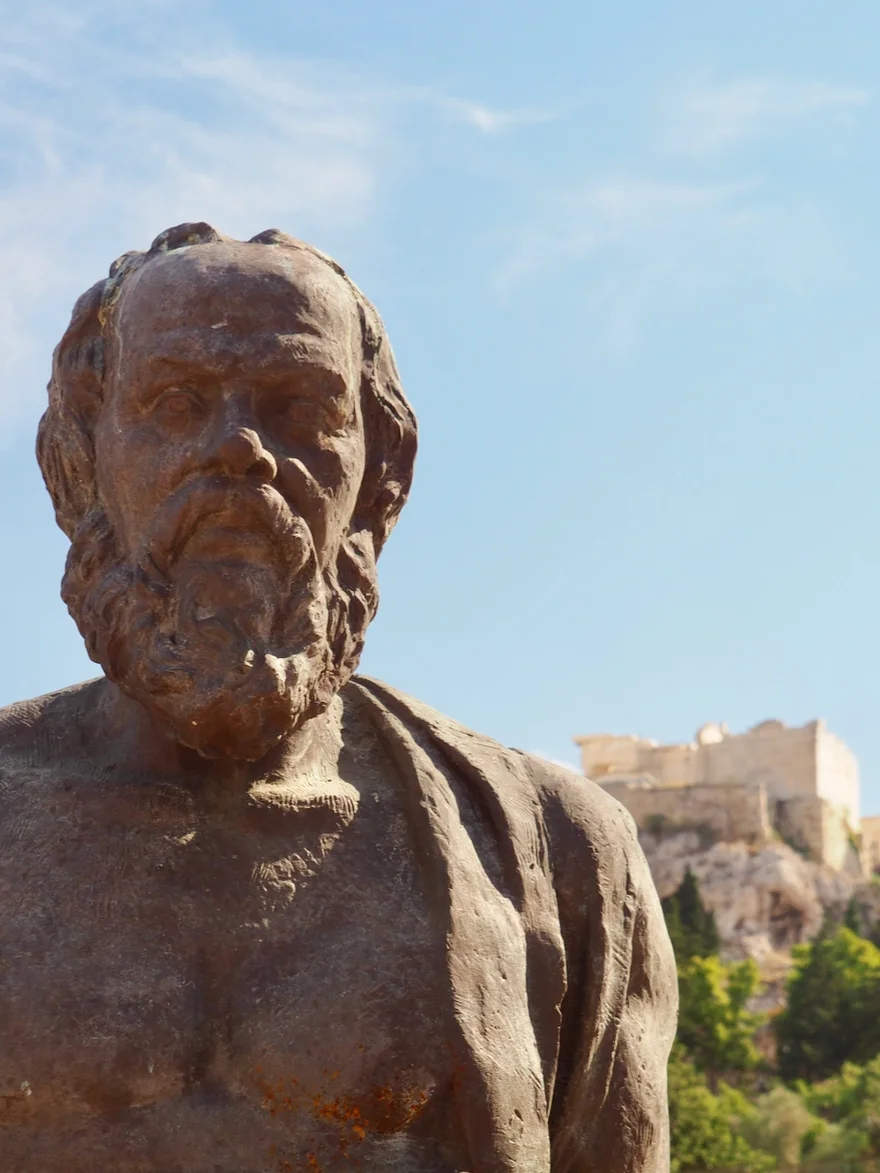
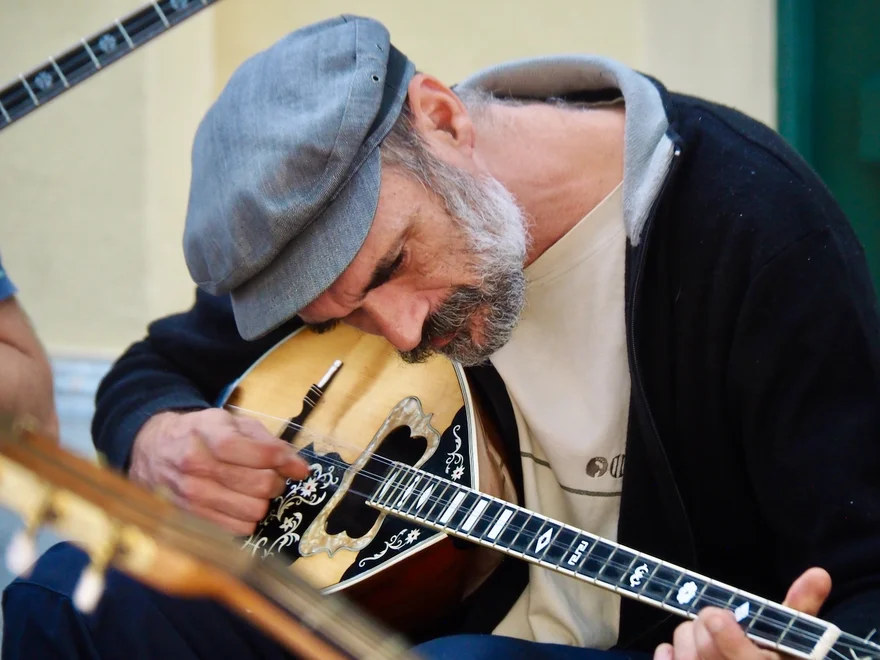
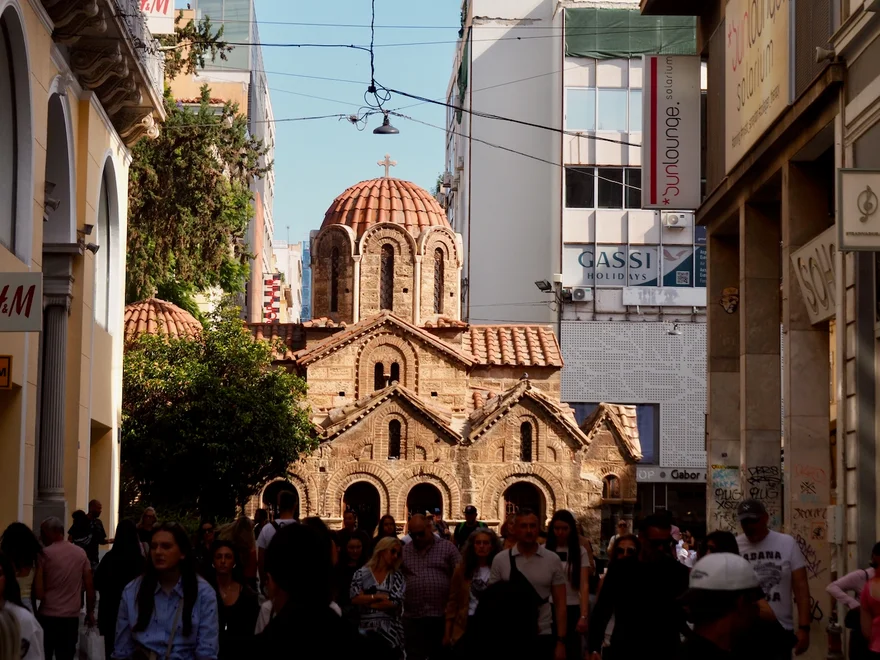
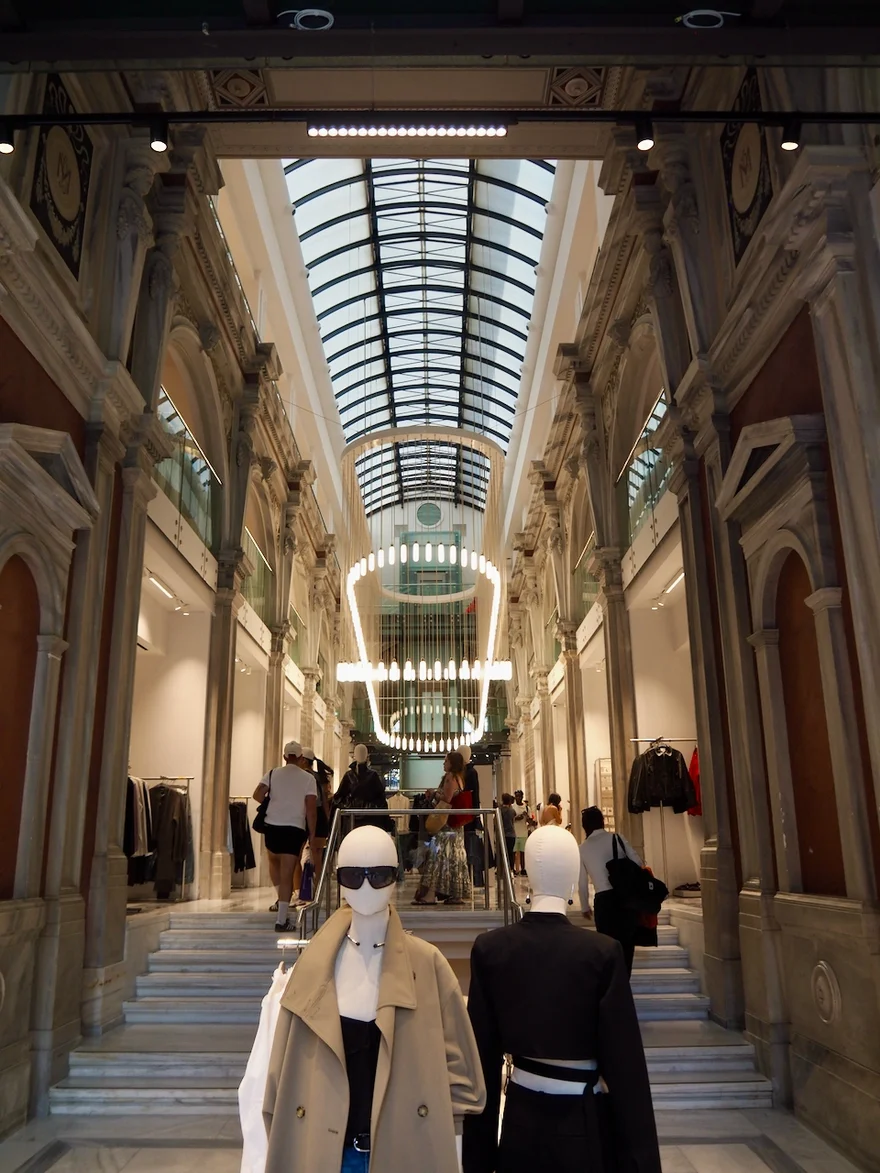
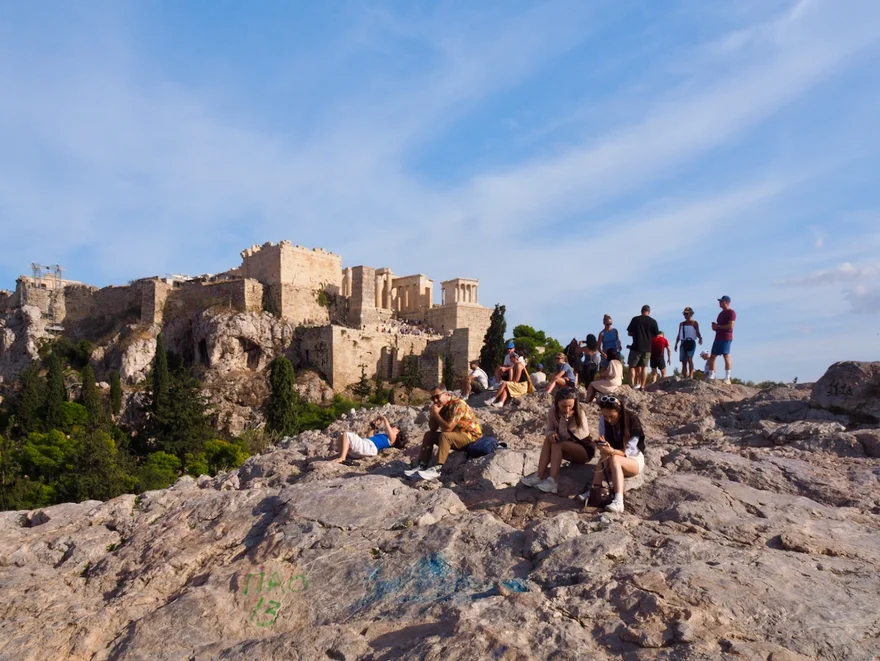
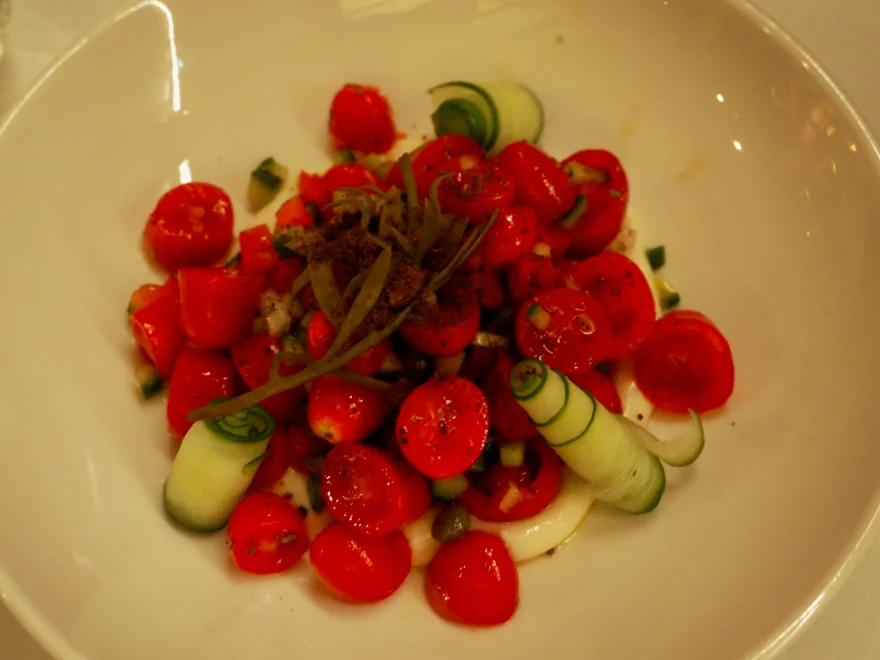
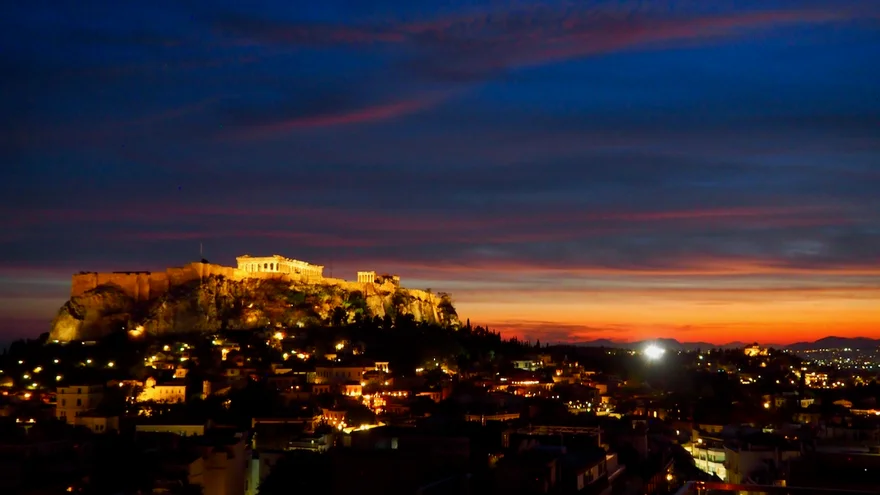
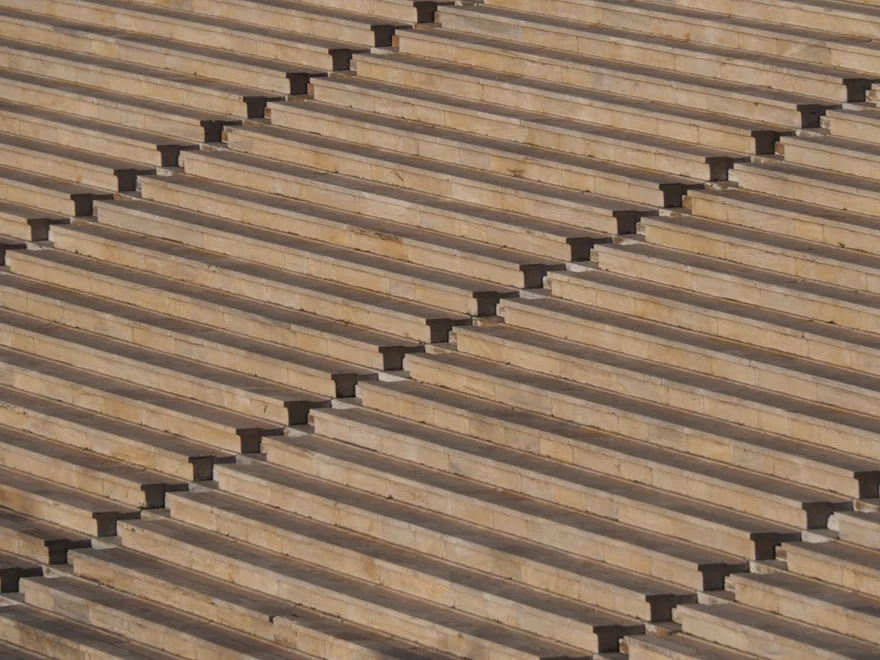
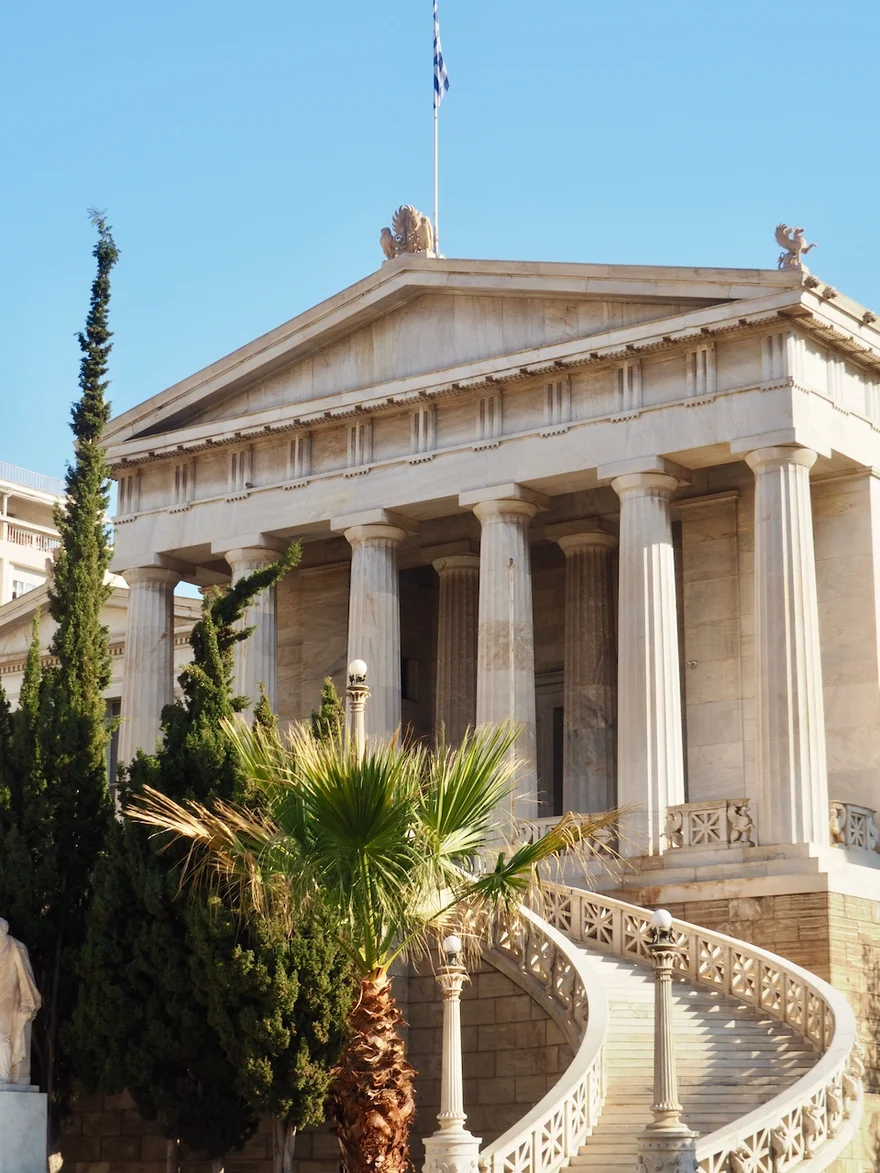
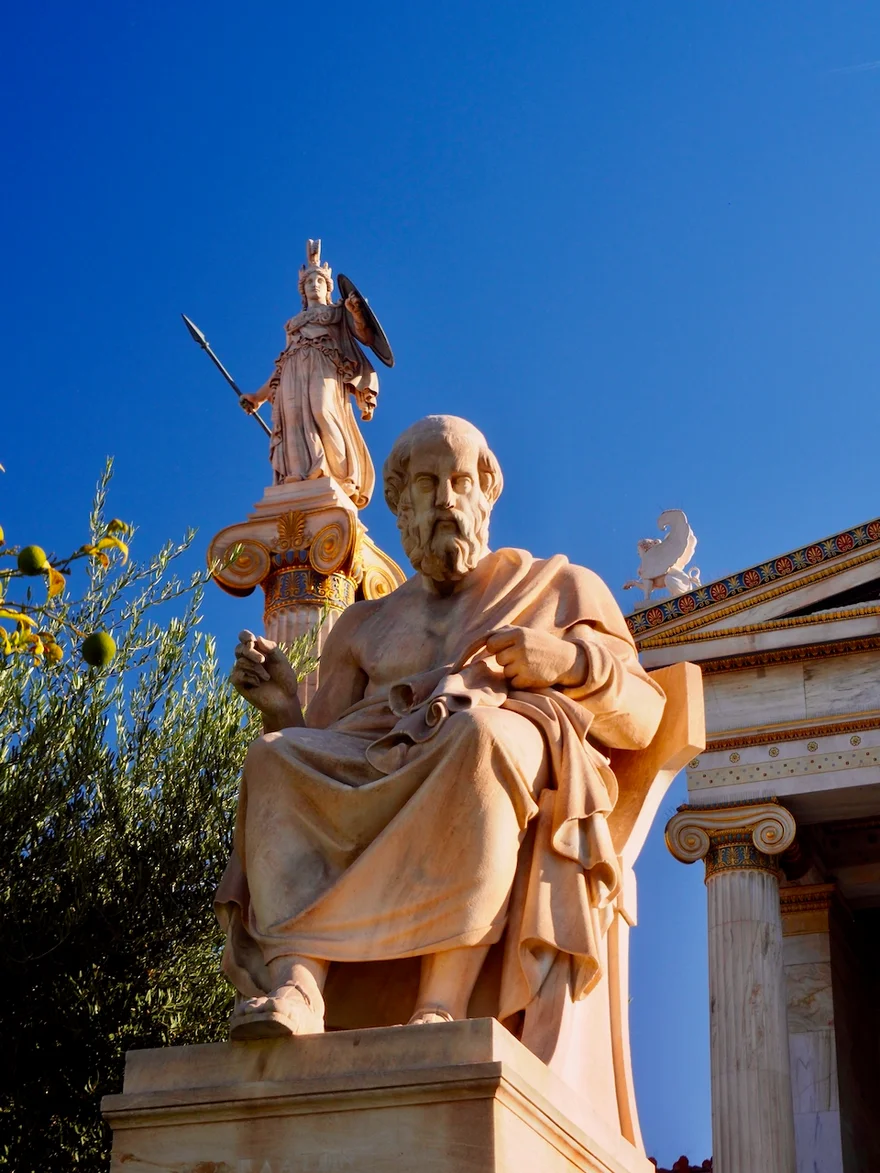
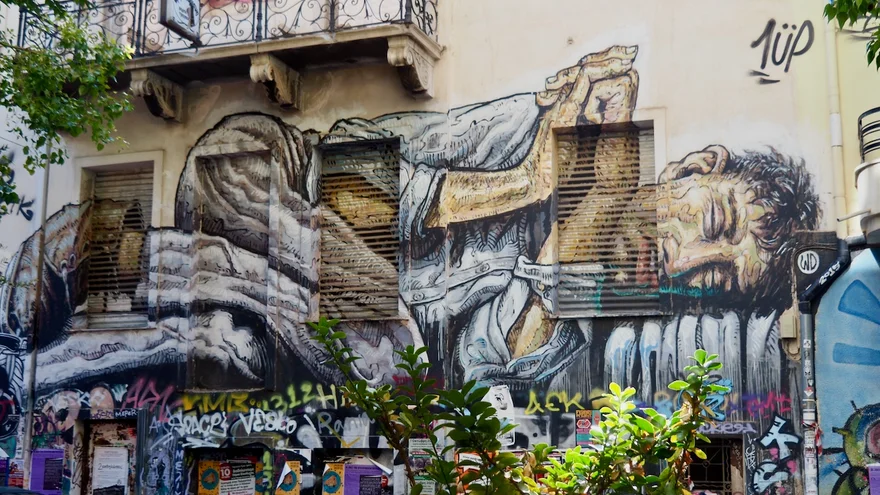
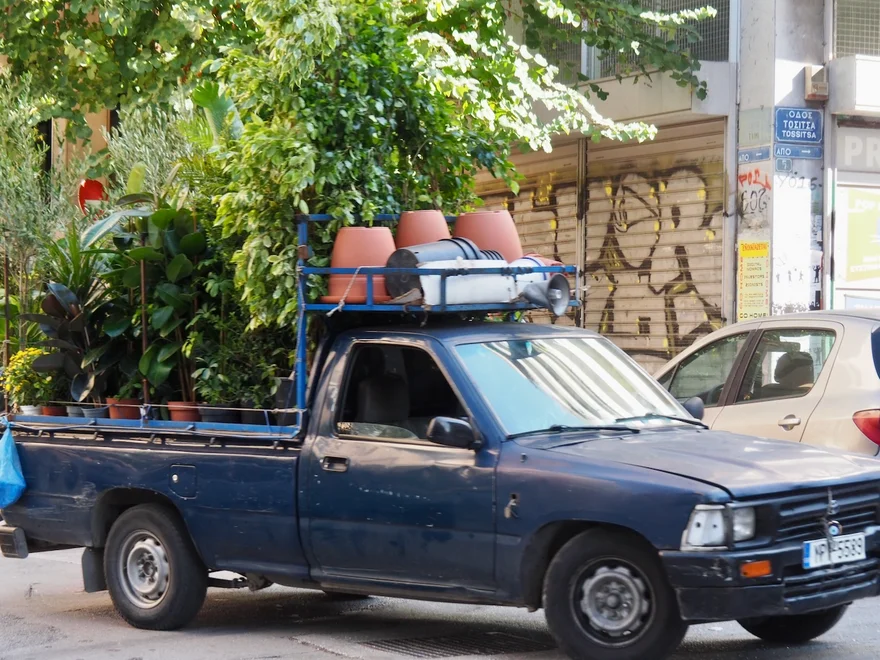
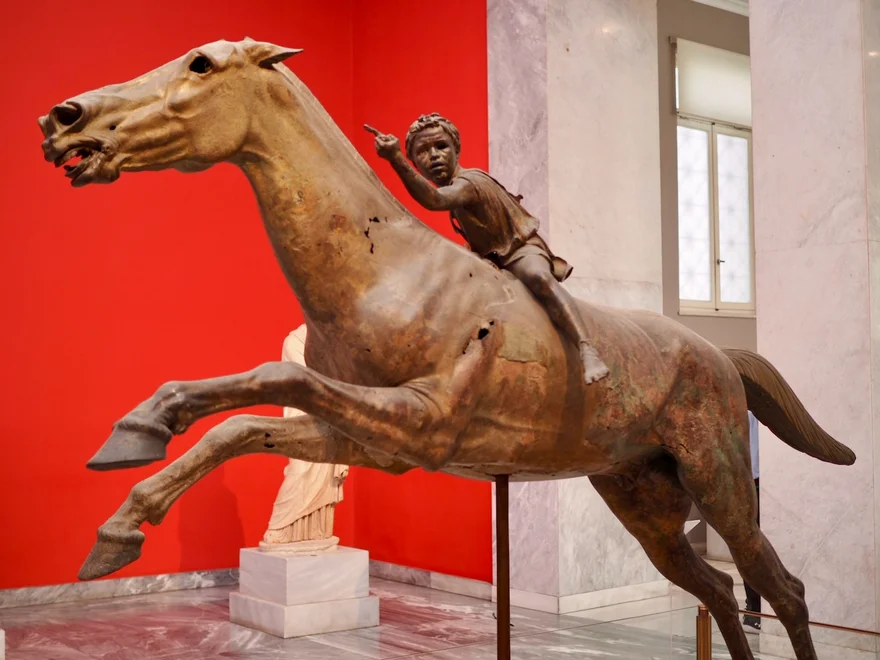
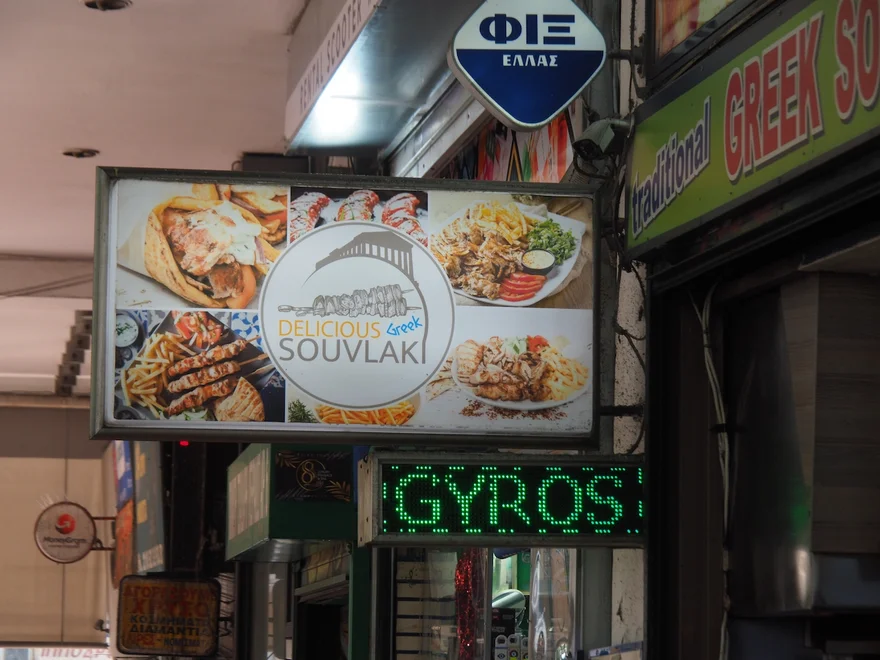
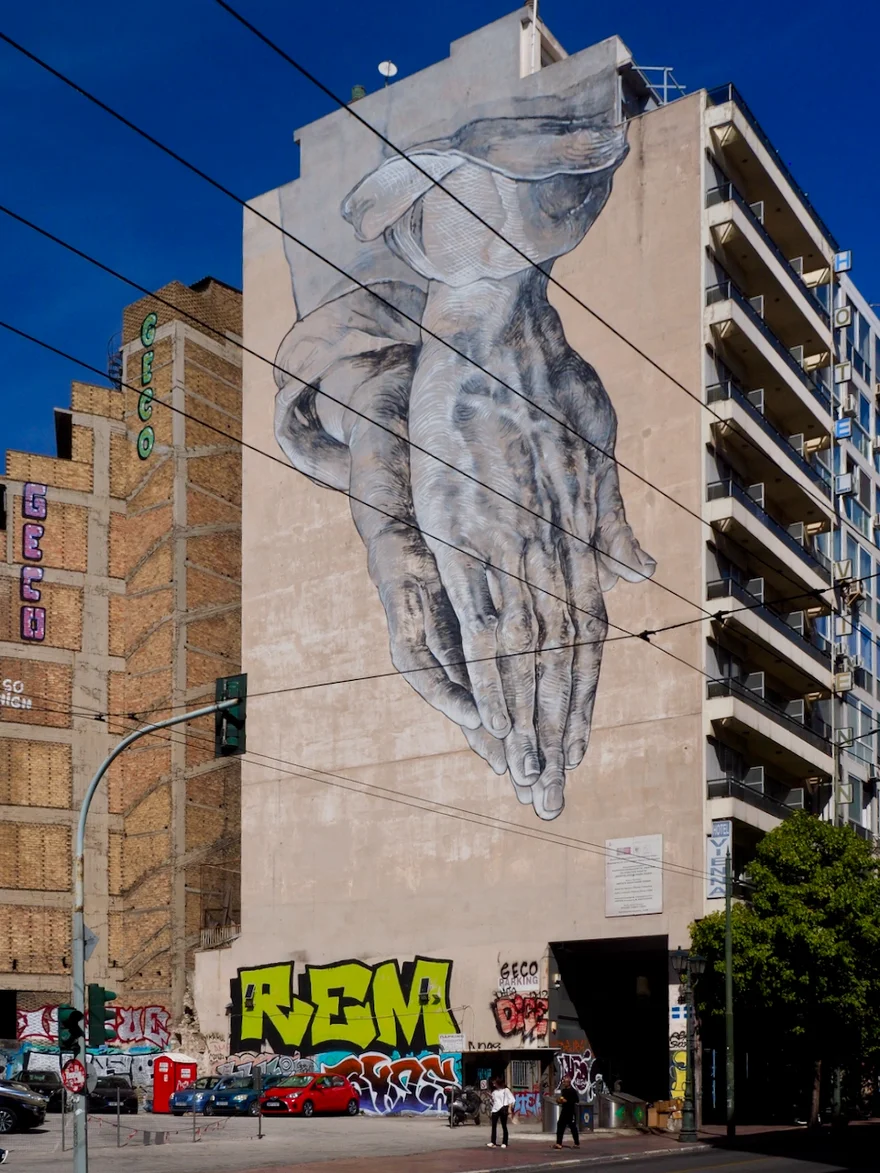
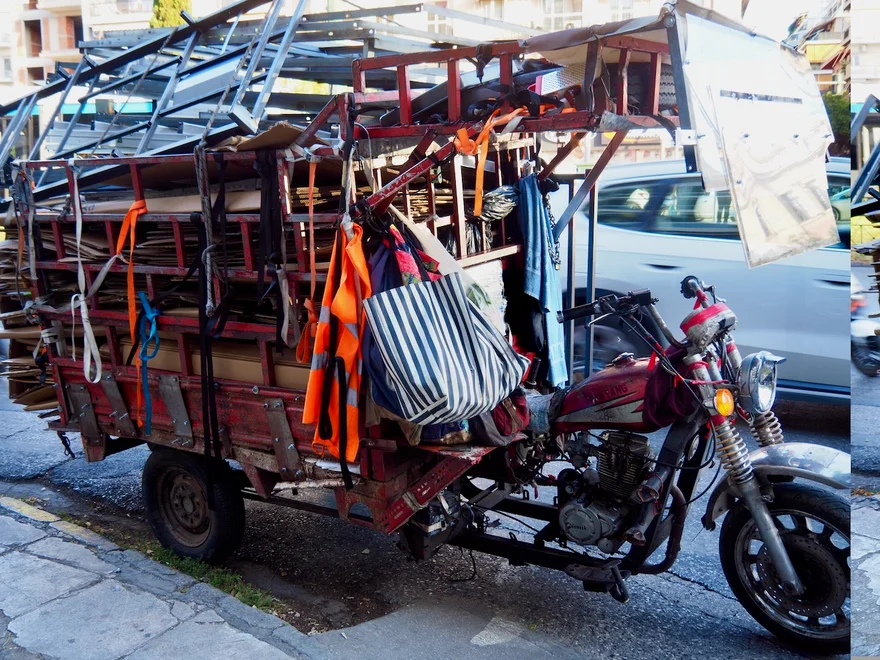
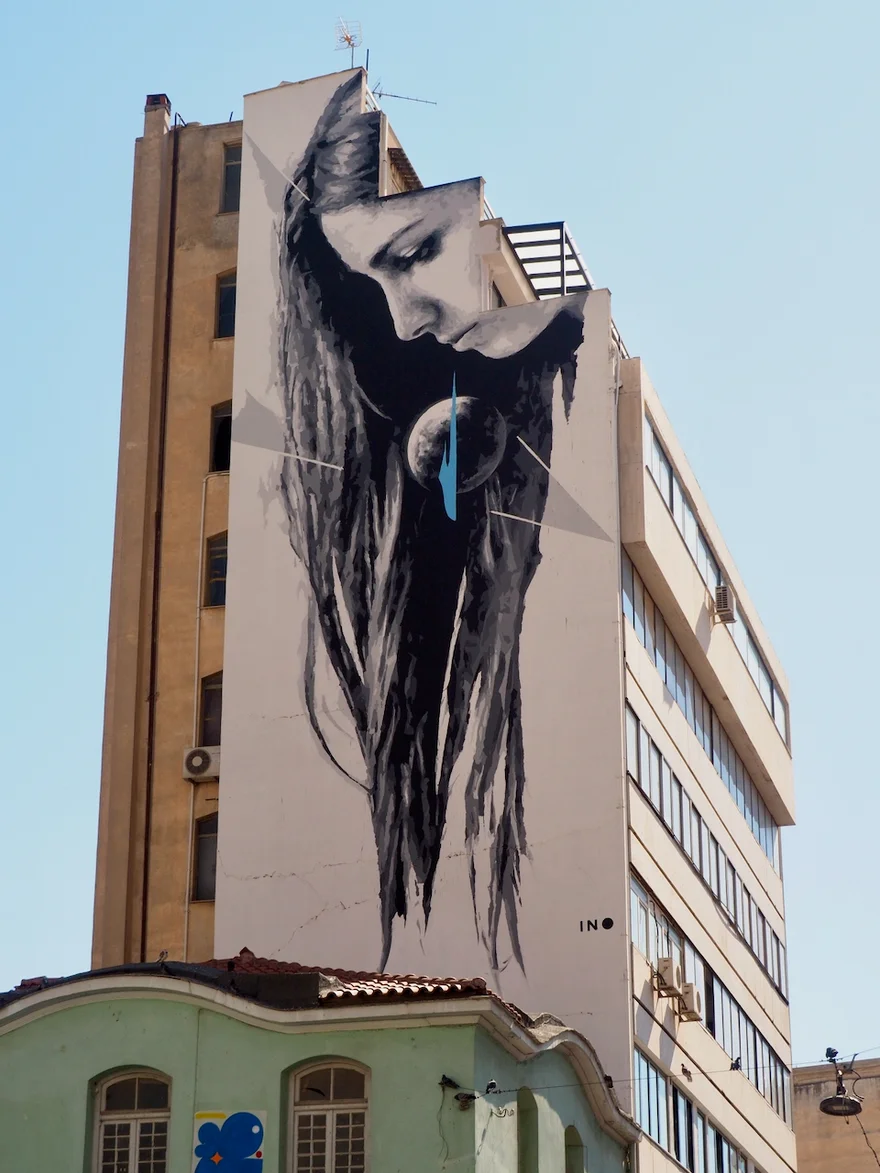
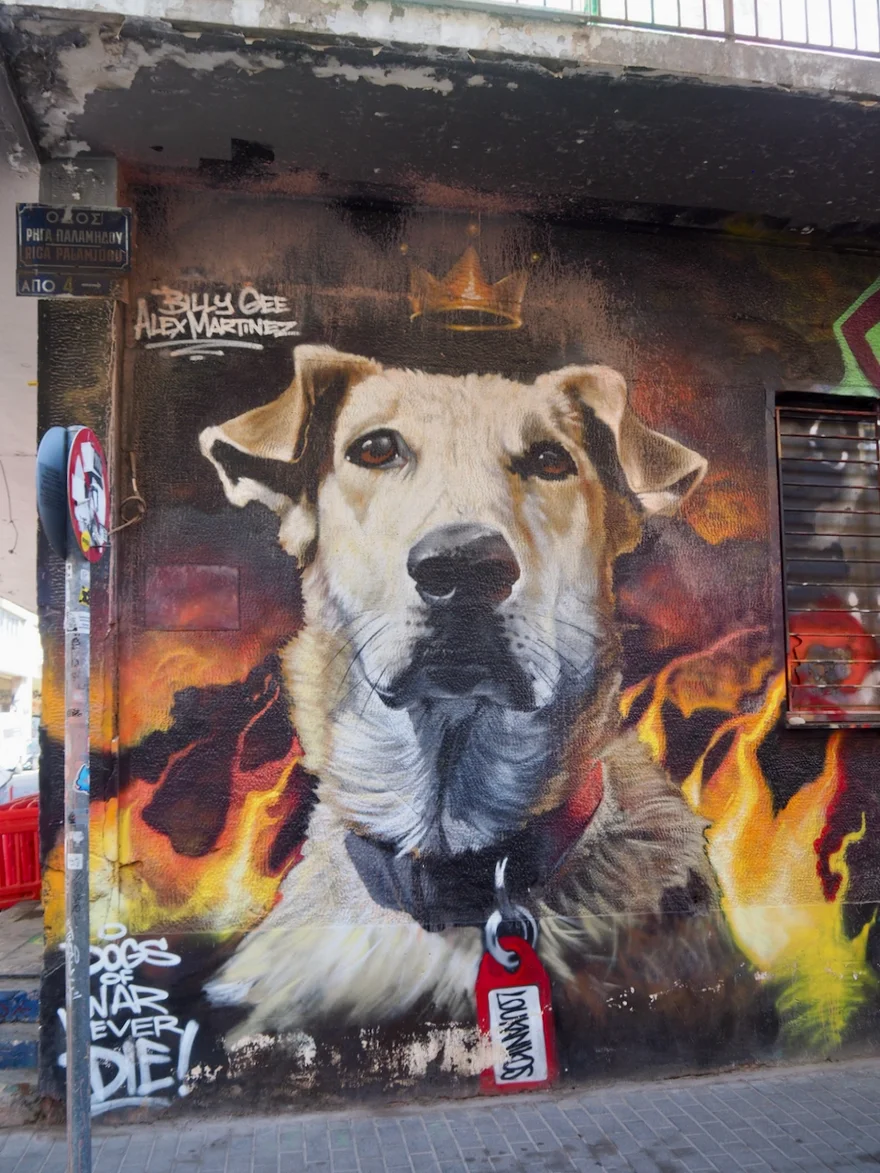
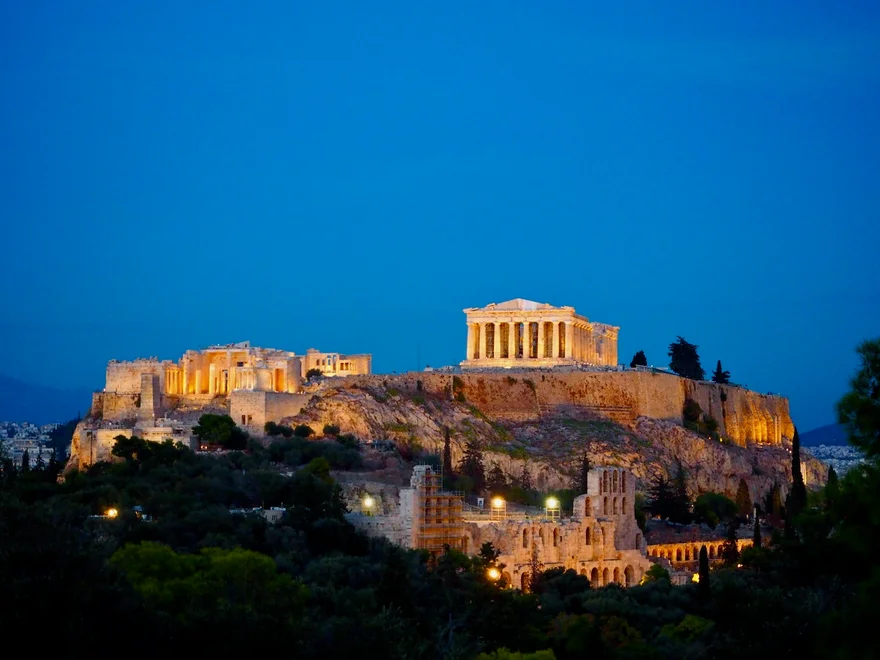
Santorini — the view across the caldera is what makes this island unique for us. Along the clifftop path from Imerovigli to Fira, it stays with us almost every step of the way.The Three Bells of Fira, in Firostefani — Oia does not have a monopoly on blue domes. From the square above this Catholic church, dedicated to the Virgin Mary, almost the entire caldera becomes its backdrop.Atlantis Books in Firostefani — a holiday idea over wine became a bookshop. Oliver and Craig hatched the plan in 2002; in 2004, they opened in Oia with friends. The books have since moved to Firostefani. Somewhere that can actually tear our eyes away from the sea.Along the caldera path — even the statue has been given a seat with a view.Oia — near the windmills at the western end of the village, above Ammoudi Bay, things grow quieter but no less picturesque. Roofs become terraces; steps disappear between houses.Oia — the famous blue domes. After the solitary dome near Fira, here is the picture that finds you long before you travel.Oia — every step is already taken. Small details like this keep catching our eye: colourful doors, carefully arranged displays and bowls that turn a passageway into a shop.Oia — among all the blocks and curves, the windmill stretches its slender spokes into the sky.Oia — even the cacti have front-row seats. For a moment, the little terrace brings us back from panorama to detail.Ammoudi — below Oia, the fish restaurants’ tables reach right to the water. From down here, the houses on the caldera rim look higher still.The path to Ammoudi — many steps separate harbour and town. The donkeys are part of the picture on this steep route.Fira — “The eyes of Santorini”, says the inscription above the mural. On an island where we are constantly looking, someone is looking back.Fira, Santorini — houses crowd the cliff edge, with cruise ships far below. From up here, we think they make the view across the caldera even more beautiful.Imerovigli — after dark, the cruise ship heads for its next port.Santorini to Naxos — a fast ferry takes us to the next island in under an hour and a half.Naxos Town — looking back towards Chora from the Portara. A narrow causeway links the temple gateway to the lively town. In the evening, people stream the other way, towards sunset at the gate.Naxos waterfront — holiday life mingles with the everyday routines of the island’s residents.Melimilon, Naxos — a brunch café with a particular passion for preserves. Vegetables join fruit in the jars, and sweet spreads find their way into savoury dishes.Naxos — a cardphone. Among all the mobiles, a greeting from a time when making a call required a place of its own.Plaka Beach — one of the best beaches we have been to. A touch of the Caribbean.From the Portara — looking towards the coast rather than the famous gate. The surf and the light make sure this direction gets our attention too.The Portara, Naxos — the monumental entrance to a temple never completed. At sunset, its opening becomes a frame. The crowds are part of what makes the atmosphere special.Naxos in the evening — masts draw fine lines against the sky as the waterfront lights come on. Beyond them stands the Portara. Our next island crossing is getting closer.Paros, near Okreblue — the next island welcomes us by the water.Naoussa — from the breakwater leading out to the fortress, we look back at a long white line of houses, with the church rising behind them.Naoussa — in the old harbour, boats and tavernas sit so close that they are almost inseparable.Naoussa at dusk — the same houses, a different light. The white façades take on the colour of the sky.Naoussa — a little later, the lights take over. It could hardly be more picturesque. Even so, something about the place felt just a little too perfect to us.Lefkes — inland, the sea leaves the foreground. The church and terraced hills with their windmills take its place.Lefkes — almost every corner gives us a reason to stop for a moment.Lefkes — cats are part of life in Greece. Sometimes they lounge around like this. Sometimes they get on our nerves a little, persistently pleading at the terrace door to be let into the apartment.Agios Nikolaos by Parikia’s harbour — a blue dome among palm trees.Parikia — the windmill stands right in town, beside the ferry landing.Panagia Ekatontapiliani, Parikia — even before we enter the church, its courtyard offers a pocket of calm in the lively town.In the courtyard of Ekatontapiliani — these bells do not need a tower. A tree will do.Parikia — Orthodox Christianity is part of everyday life in Greece. We encounter it well beyond the churches.Near Okreblue — the moon lays a silver trail across the water. This is where we leave the islands.Meteora — after the islands, suddenly this landscape. Viewpoints open up different perspectives on the rocks and monasteries. They are worth lingering at well before sunset too.Meteora — the walls follow the edge of the rock. There is little room for a building up here. We can hardly stop staring.Meteora — it takes a person on a rope to make the scale of these rocks truly sink in.Meteora — looking down, we begin to imagine how secluded a place like this once was.A monastery courtyard in Meteora — there is plenty worth seeing inside the walls too.Meteora — outside, wide-open views; inside, churches, courtyards, paintings and glimpses of monastic life in earlier times.Meteora — here, the monastery does not stand alone against the sky. The cliff behind makes it almost small.Meteora — coins and banknotes left by many visitors.Meteora — the rock is foundation, boundary and a large part of the architecture all at once.Meteora — once, ladders and rope hoists were the only ways into these clifftop monasteries.Agia Triada monastery, Meteora — James Bond was here too. In For Your Eyes Only (1981), the rock becomes the setting for a precarious climb with Roger Moore.Meteora — a picture within a picture. The photograph turns our attention from spectacular buildings to someone who lives, or lived, here.Kastraki — lights come on below, rocks glow above. Meteora stays with us into the evening.Delphi — that view across the theatre, sanctuary and valley. The setting belongs to this place as much as its history does.The Treasury of the Athenians at Delphi — once a store for offerings to the god.The Temple of Apollo at Delphi — here the priestess Pythia delivered the oracle’s pronouncements. For centuries, people sought her counsel, including before decisions about war and peace.The omphalos in Delphi’s museum — the ‘navel of the world’ in stone. According to the myth, Zeus sent two eagles towards each other from opposite ends of the earth. They met at Delphi.Nafpaktos — on our way towards the Peloponnese. Walls enclose the little Venetian harbour, while the fortress hill rises above the town.Nafpaktos — we had only planned a quick stop. Then the place won us over.Nafpaktos — the walls leave only a narrow harbour entrance. Fortification on the scale of a small town port.Nafpaktos — we stayed longer than planned.The Rio–Antirrio Bridge — from the waterfront at Nafpaktos, we can already see our way across to the Peloponnese. The roughly 2.9-kilometre crossing opened in 2004.Mycenae — from a distance, a stony citadel hill. As we approach, the scale of the walls becomes clear.The Lion Gate at Mycenae — those huge blocks and the famous relief. We wonder how people managed to build something so imposing more than 3,000 years ago.Grave Circle A at Mycenae — here, in 1876, Heinrich Schliemann found the gold ‘Mask of Agamemnon’. It is several centuries older, however, than the time in which the legendary king is supposed to have lived.In the museum at Mycenae — we could imagine some of these figures at the Biennale.Morning in Kiveri — a short run, the sea just ahead and the sun still low. Before the day’s sightseeing begins.Liberis bakery in Kiveri — how does such a small place come to have a bakery this big, and this good?The theatre at Epidaurus — there was room for around 14,000 people. Even from the very top row, we could hear someone clapping down in the orchestra.Nafplio — the promenade keeps taking us along the water, with the island fortress of Bourtzi in view.Palamidi fortress above Nafplio — 999 steps to the top, or so the story goes.Mystras — a city on a mountain. Our eyes travel from the lower walls to the castle, tracing the walk before we make it.The Palace of the Despots at Mystras — among the ruins, this building makes it easier to imagine the city as a place where people once lived.Mystras — we meant to resist taking cat photos. But these four are simply too cute.Mystras — red domes keep appearing among the grey walls. The churches give the ruins recognisable centres.The bay at Limeni — yes, this was the view from our Airbnb terrace.Areopoli — the colours change in the Mani. Pale stone, dark joints and narrow openings define the town.Areopoli — the pickup adds a well-worn splash of colour to all that stone. Not an unusual sight in Greece.Gerolimenas — a hint of a fjord, with a pebble beach right in the fishing village.Gerolimenas — away from the harbour view, bottle crates and a postbox. Even a picturesque village has empties to deal with.Vathia — tower houses give the village its distinctive silhouette. Here, a home was also a means of self-defence.Limeni — in the evening, the rock edges across the sun. We are glad we drove back down to the water for sunset.Agios Nikolaos — another harbour, another unexpected stop. Boats and cafés: a good reason to pull over.Messene — perhaps the most complete ancient city we visited as an archaeological site on this trip.Messene — a walk among columns. Light and shadow continue drawing the architecture.The stadium at Messene — where grass grows today, the shape of the sporting arena is still clear.The Arcadian Gate at Messene — ancient gateway, modern traffic. Outside the main archaeological site, the road still passes straight through.Kalamata — the light softens around the harbour. We were here forty years earlier, when Red Cross tents stood by the water after the great earthquake.The Corinth Canal — a narrow cut through the land. The ship has to fit through it.At the Corinth Canal — while some travel through below, someone chooses the route from above. Watching the jump is enough for us.Athens from Lycabettus Hill — after islands and smaller towns, the city’s sheer extent is a new experience. Houses all the way to the hills.Syntagma, Athens — an Evzone caught mid-step in the ceremony. For a moment, we think of yoga: that raised leg reminds us of Utthita Hasta Padangusthasana.From Lycabettus Hill — the crowds that gather here for sunset slowly disperse. On the way down, the Acropolis shines out across the vast city.The Parthenon — we stand before the columns in the morning sun. On our visit, no scaffolding is visible outside. The crane within reminds us that restoration is still under way.The Acropolis — the first half-hour after opening was still relaxed. Then the crowds begin to build.The Caryatids of the Erechtheion — architecture in human form. These are copies. Five originals are in the Acropolis Museum; the sixth is in the British Museum in London.On the Acropolis — the details are part of what makes this place.The Odeon of Herodes Atticus — a theatre just below the Acropolis. In 2024, Coldplay filmed the video for ‘feelslikeimfallinginlove’ here, in front of an invited audience.The Acropolis Museum — down from the rock into glass and concrete. Our encounters with ancient figures continue here.The Acropolis Museum — striking architecture, in close conversation with the Acropolis opposite.In the Acropolis Museum — we tend to picture antiquity in white and pale grey. Its sculptures and buildings were once full of colour.The Temple of Hephaestus in the Agora — among greenery and ruins stands this building, its roof and outline intact.The Agora — not every encounter here concerns antiquity. These two seem to be taking their time over theirs.In the Agora — looking up instead of reading the next information panel. The gaps between the stones give the sky a rhythm.Socrates in the Agora — part of Wu Weishan’s Divine Encounter – Dialogue between Confucius and Socrates (2021). Against the Agora and Acropolis, this imagined conversation with Confucius opens a view beyond Greece.Monastiraki — between sights, a musician absorbed in his instrument. The city has a sound too.Kapnikarea on Ermou — the church brings an atmosphere of its own to the middle of the shopping street.H&M on Ermou — yes, really H&M. We find this enormous, grand setting for such a familiar chain rather amusing.The Areopagus — today, a rock for sitting, looking and taking photographs. This is traditionally the setting for the Apostle Paul’s speech recounted in the Acts of the Apostles.Electra Roof Garden — a different take on Greek food.From the Electra Roof Garden — the Acropolis makes an almost surreal backdrop to dinner.The Temple of Poseidon at Cape Sounion — columns, rock and sea. It is hard to imagine a more beautiful setting for a temple to the sea god.Cape Sounion — beside the temple, this combination catches our eye. Greece can apparently be explored by sidecar too.The Panathenaic Stadium — rebuilt on the remains of the ancient stadium for the first modern Olympic Games in 1896. Long marble stands draw the eye all the way to the far bend.Inside the Panathenaic Stadium — athletes used this tunnel to enter the arena.The Panathenaic Stadium — close up, the stands become a pattern.The Athenian Trilogy, here the historic National Library building — Athens quotes its antiquity in more recent buildings too. Columns and pediments are not confined to excavations.Plato and Athena outside the Academy of Athens — grand gestures and serious faces are part of the architecture. The figures hold our attention too.“No Land for the Poor” by WD, 2015 — in Exarchia, a reclining man occupies an entire façade. Dedicated to poor and homeless people, the work even makes the windows part of his body.Athens — a plant seller and his little garden on wheels.The Jockey of Artemision in the National Archaeological Museum — so much movement in bronze. For a moment, the museum room seems too small for this horse.Delicious Souvlaki near Omonia — between museum and murals, our stop for food.“Hands” by Pavlos Tsakonas, 2011 — Dürer’s praying hands are turned upside down on Pireos Street. A change of direction makes a new question of a familiar image.Athens — three wheels can carry more than you might think.“My World” by INO, 2021 — a girl contemplates the Earth. The small blue globe stands out against the vast black-and-white mural.Loukanikos, Psyrri — the dog became known for accompanying Athens’s protests. Billy Gee, Alex Martinez and N_Grams gave him this memorial on a wall.The Acropolis at blue hour — the great landmark once more. This time, from our favourite spot on Philopappos Hill.“clinamen” by Céleste Boursier-Mougenot at Onassis Mandra — floating porcelain bowls touch and make sounds. The photograph holds their arrangement still; the work itself keeps moving.The Sanctuary of Artemis at Brauron — greenery, low walls and space between the remains. A quiet place near the end of our journey.Brauron’s museum — after the columns outside, these children. At the journey’s end, antiquity becomes very human again.Artemida — one last look at the sea to hold on to. A few white sails, plenty of blue. Then it is time for the airport and home … to what will probably be a grey October.